Hosting at Home, Elevated: Transform Your Space into a Restaurant-Quality Dining Experience
You don't need to leave your home to enjoy a restaurant-quality meal with friends and family. Hosting at home can match or exceed what restaurants offer when you focus on the right details, from menu planning to atmosphere and service. Many people assume creating this level of experience requires professional training or expensive equipment, but that's not the case.
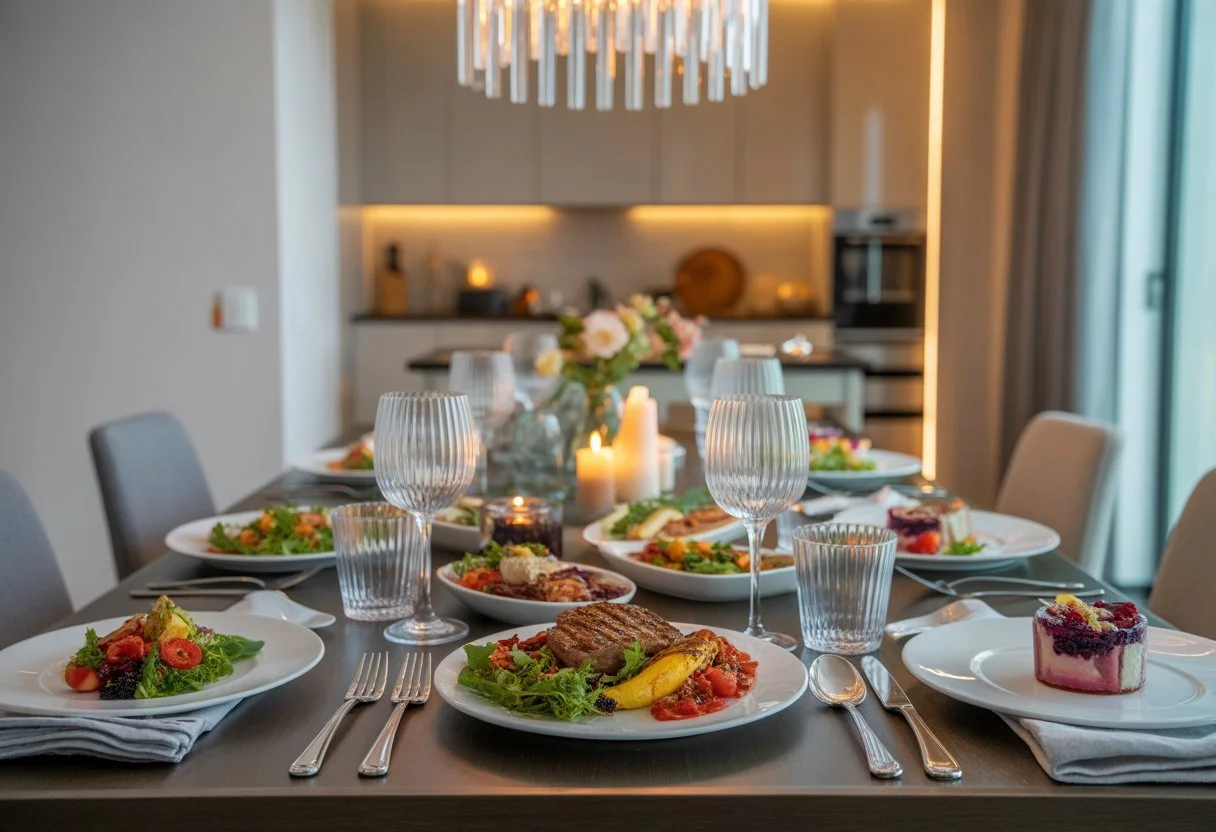
The key lies in understanding what makes restaurant dining special and adapting those elements to fit your space and style. Small changes in how you present food, set your table, and welcome guests can transform an ordinary dinner into something memorable. You're in complete control of every detail, which means you can personalise the experience in ways restaurants never could.
This guide will walk you through the practical steps for elevating your home hosting. You'll learn how to design menus that impress, create the right mood through lighting and décor, and handle service details that make guests feel looked after. Whether you're planning a special celebration or simply want to improve your regular dinner parties, these strategies will help you host with confidence.
Defining Restaurant-Level Hosting at Home
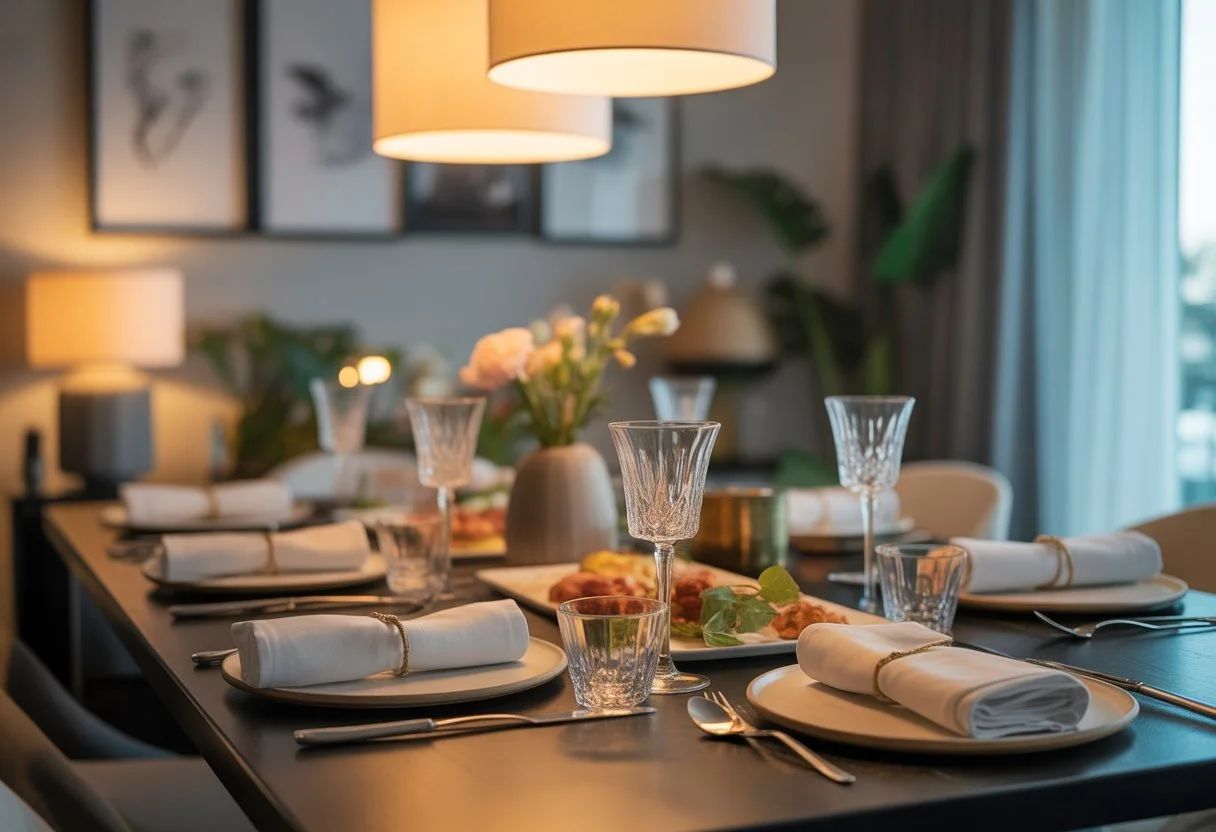
Restaurant-level hosting at home combines professional culinary standards with personal touches that make guests feel truly special. It requires attention to detail across service, presentation, and atmosphere that mirrors what high-end establishments deliver.
What Makes a Dining Experience Feel Elevated
An elevated dining experience engages all five senses from the moment guests arrive. The visual presentation matters just as much as taste, with carefully plated dishes that show thought and technique.
Timing plays a crucial role in creating this atmosphere. Each course arrives at the proper temperature and pace, allowing conversation to flow naturally between dishes. You'll notice the difference when food appears neither rushed nor delayed.
The environment itself contributes significantly to the elevated feeling. Proper lighting sets the mood, whilst thoughtfully chosen background music creates ambience without overwhelming conversation. Clean, pressed linens and polished glassware signal that care has been taken in preparation.
Personal attention distinguishes an elevated experience from an ordinary meal. This means anticipating needs before guests ask, whether that's refilling water glasses or accommodating dietary requirements seamlessly.
Key Elements Borrowed from Professional Restaurants
Professional restaurants excel at creating flow throughout the evening. This includes a structured progression from welcome drinks through each course to coffee and petit fours. Each transition feels intentional rather than haphazard.
Essential elements include:
Mise en place – having everything prepared and positioned before service begins
Proper plateware – using appropriate dishes for each course
Temperature control – ensuring hot food arrives hot and cold food stays chilled
Timing coordination – synchronising multiple dishes so guests eat together
Table settings mirror restaurant standards with the correct cutlery for each course. Glassware matches the beverages being served, from wine glasses to water tumblers.
The service style itself matters. Plates arrive from the left and are cleared from the right. Beverages are poured without hovering. These small details create a polished experience.
Role of a Private Chef in Home Gatherings
A private chef transforms home hosting by bringing professional expertise directly to your kitchen. They handle everything from menu planning to final presentation, allowing you to focus entirely on your guests.
The chef manages the technical aspects that challenge most home cooks. This includes timing multiple courses, achieving restaurant-quality plating, and adapting to unexpected dietary needs. Their training ensures consistent results.
Beyond cooking skills, private chefs understand service flow and kitchen organisation. They work efficiently in unfamiliar spaces whilst maintaining cleanliness throughout preparation. Many also handle shopping for premium ingredients and coordinating with other service staff.
The personal nature of private chef services allows for customisation that restaurants cannot match. You can request specific dishes, accommodate family recipes, or create entirely bespoke menus that reflect your preferences and your guests' tastes.
Curating Menus and Culinary Experiences
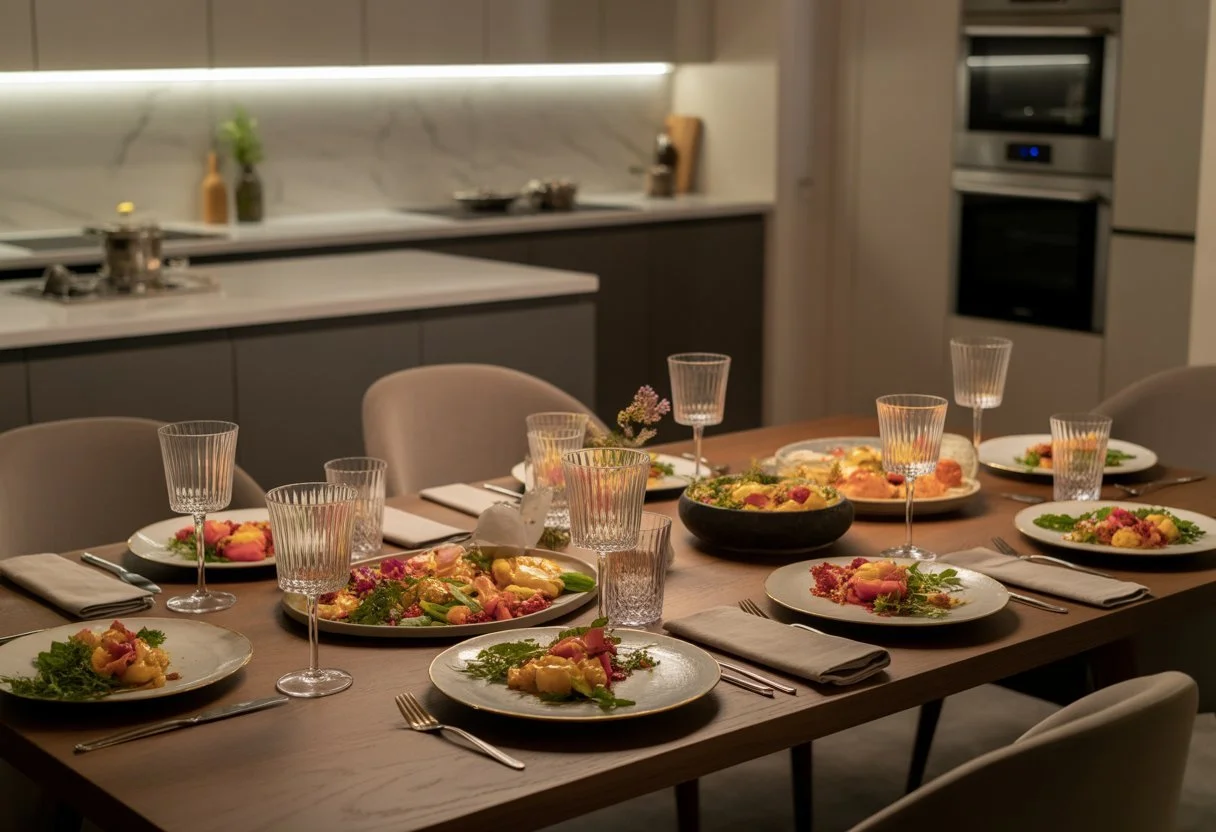
A well-designed menu transforms a home gathering into a refined dining event. The right combination of dishes, ingredients, and presentation creates a memorable experience that rivals professional restaurants.
Designing a Cohesive Multi-Course Meal
Your menu should follow a logical progression that builds flavour and excitement throughout the evening. Start with lighter dishes that awaken the palate, then move towards richer, more complex flavours in the main courses before finishing with dessert.
Consider balance across all courses. If your starter is cream-based, avoid another heavy dairy dish in the main. Vary your cooking techniques—pair a poached fish with roasted vegetables rather than steaming both. Each course should complement the others without repeating flavours or textures.
A private chef can help you structure courses professionally, ensuring proper timing and flow between dishes. They understand how different flavours interact and can adjust portions so guests feel satisfied without becoming overly full.
Plan for approximately 4-6 courses for a formal dinner. Include an amuse-bouche, starter, palate cleanser, main, cheese course (optional), and dessert. This structure gives you room to showcase variety whilst maintaining a comfortable pace.
Spotlighting Local and Seasonal Ingredients
Seasonal produce delivers superior flavour and freshness compared to out-of-season alternatives. Spring asparagus, summer tomatoes, autumn squash, and winter root vegetables each shine when served at their peak.
Source ingredients from local farms, markets, and specialist suppliers. These products often arrive at your table within days of harvest, retaining more nutrients and taste. Local sourcing also gives you talking points to share with guests about the food's origin.
Build your menu around what's currently available rather than forcing specific dishes. If you find exceptional scallops at the fishmonger, feature them as your starter. When Brussels sprouts are at their best in winter, roast them as a side dish.
Communicate with suppliers about upcoming availability. Farmers and fishmongers can tell you what will be exceptional in the coming weeks, allowing you to plan menus around peak-quality ingredients.
Interactive and Themed Food Stations
Food stations add an element of theatre and engagement to your event. Guests become part of the cooking process, creating personalised dishes according to their preferences.
Popular station ideas include:
Build-your-own tacos with assorted proteins, salsas, and toppings
Fresh pasta station with multiple sauce options
Sushi rolling with guidance from a chef
Charcuterie and cheese boards with pairing suggestions
Live cooking stations for risotto, crepes, or stir-fry
Themed stations work particularly well for casual gatherings or larger groups. They encourage movement and conversation whilst reducing the formality of plated courses. Set up stations in different areas to prevent crowding and create natural flow through your space.
Ensure each station has clear labels, serving utensils, and any necessary instructions. If you're working with a private chef, they can manage stations whilst explaining techniques and answering questions, adding an educational component to the entertainment.
Ambience and Atmosphere: Setting the Scene
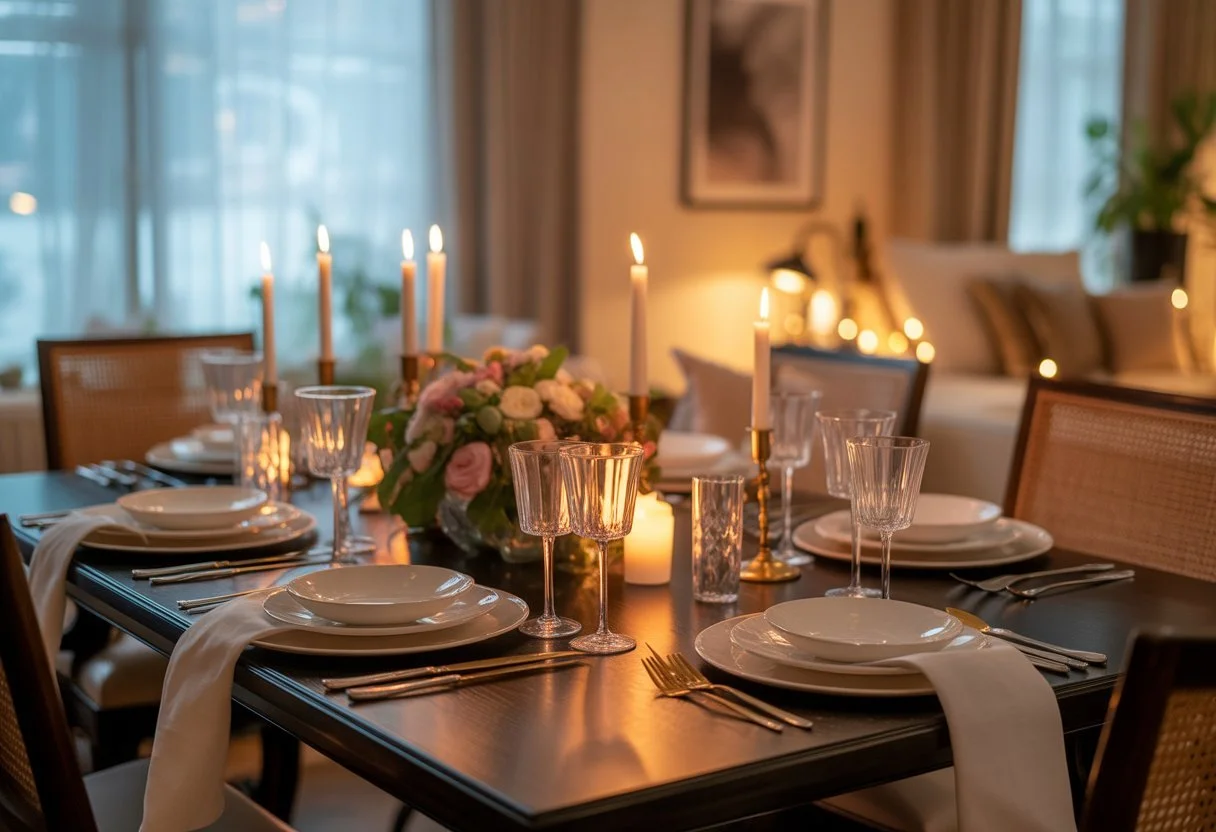
The right atmosphere transforms a simple meal into a memorable dining experience. Professional restaurants understand that ambience engages all five senses, not just taste, and you can apply these same principles at home through careful attention to lighting, sensory elements, and thoughtful décor choices.
Lighting and Tableware Inspired by Fine Dining
Lighting sets the mood for your entire dining experience. Dim your overhead lights and use candles as your primary light source—place them at varying heights across the table using candlesticks, votives, and tea lights. Warm-toned bulbs between 2700K and 3000K create the same inviting glow you'll find in upscale restaurants.
Your tableware choices matter more than you might think. White or cream plates provide a clean canvas that makes food colours pop. Layer your table settings with a charger plate, dinner plate, and bowl if serving multiple courses.
Essential Tableware Elements:
Quality linen napkins (avoid paper)
Matching cutlery placed in proper order
Appropriate glassware for each beverage
Simple, elegant placemats or tablecloth
Keep your table centrepiece low enough that guests can see each other across the table. Fresh flowers in a simple vase work well, but avoid heavily scented blooms that compete with food aromas.
Sensory Touches: Music, Scent, and Texture
Background music should enhance conversation, not overpower it. Create a playlist with instrumental jazz, classical, or acoustic tracks and keep the volume at a level where guests can speak normally. Aim for 50-60 decibels—roughly the volume of a quiet conversation.
Natural scents create warmth without overwhelming your guests. Light a candle with subtle notes of cedar, vanilla, or citrus at least 30 minutes before guests arrive, then extinguish it before serving food.
Texture adds depth to your table. Mix smooth linen with rough wood chargers or woven placemats. The contrast between materials makes your setting feel more intentional and curated.
Incorporating Sustainable and Natural Décor
Natural elements bring restaurant-quality sophistication to your table whilst supporting environmental responsibility. Fresh herbs like rosemary or thyme double as aromatic décor and garnishes. Place small pots at each setting or scatter sprigs along the table runner.
Choose reusable items over disposable ones. Cloth napkins, real plates, and glass drinkware reduce waste whilst elevating the experience. If you're concerned about breakage, invest in simple, durable restaurant-quality pieces.
Seasonal touches cost less and look better than out-of-season imports. Autumn leaves, winter evergreen branches, spring blossoms, or summer wildflowers reflect your commitment to both style and sustainability. Forage from your own garden when possible, or visit a local farmers market for seasonal finds.
Service and Hospitality Details
Great food alone doesn't create a restaurant-level experience at home. The way you serve guests, attend to their needs, and manage the rhythm of the evening makes the real difference.
Restaurant-Quality Table Service at Home
Professional table service follows specific patterns that you can recreate in your own dining room. Serve and clear dishes from the left side of guests, whilst offering beverages from the right. This standard approach prevents awkward reaches across the table and creates a smooth flow.
Use proper serving utensils for shared dishes rather than asking guests to pass plates around. Place each course deliberately, positioning the main protein at six o'clock on the plate, closest to the diner.
Essential service equipment includes:
Clean, lint-free serving cloths draped over your forearm
A small tray for collecting used glassware
Extra cutlery on a side table for quick replacements
Water pitchers kept chilled and ready
Clear empty plates promptly once all guests have finished eating. Never stack dirty dishes at the table. Instead, remove them to the kitchen in batches.
The Art of Personalised Guest Attention
Remember dietary preferences and accommodate them without making a fuss. A private chef would note these details beforehand, and you should too. Keep mental notes about which guests prefer sparkling water over still, or who declined wine with dinner.
Refill water glasses when they reach half empty. Notice when someone looks around for something they need before they have to ask. These small acts of attention separate ordinary hosting from exceptional hospitality.
Address guests by name throughout the evening. Check in occasionally without hovering. A simple "How is everything?" suffices, but watch body language and pace to judge when someone might need something.
Timing Courses and Managing Flow
Space courses 12 to 15 minutes apart for a comfortable dining pace. This gives guests time to finish, converse, and prepare for the next dish without feeling rushed or waiting too long.
Clear the previous course completely before bringing out the next one. All guests should receive their plates within 30 seconds of each other to ensure everyone eats together at the proper temperature.
Typical course timing:
Course Duration Notes Canapés 20-30 min Serve with welcome drinks Starter 15-20 min Clear before mains Main 25-35 min Longest course Dessert 15-20 min Allow brief pause first
Prepare as much as possible before guests arrive. Plate final elements quickly so food reaches the table hot. If serving multiple courses alone, choose dishes that hold well or can be finished in under three minutes.
Innovations and Trends in Home Entertaining
Home entertaining in 2026 focuses on creating authentic experiences that blend professional techniques with personal style. The shift moves away from formal, rigid hosting towards interactive, wellness-conscious gatherings supported by smart technology.
Private Chef Experiences and Cooking Classes
Hiring a private chef transforms your home into a bespoke dining venue without the stress of preparation. These professionals bring restaurant-quality cuisine directly to your table, handling everything from menu planning to cleanup. You can customise menus to match dietary preferences, seasonal ingredients, or specific cuisines.
Interactive cooking classes have become equally popular. A chef guides you and your guests through preparing courses together, turning the meal into an engaging activity. This format works well for smaller gatherings of 6-10 people.
Popular private chef services include:
Multi-course tasting menus with wine pairings
Live cooking stations where guests watch dishes being prepared
Family-style meals that encourage sharing and conversation
Themed cuisine nights featuring specific regions or techniques
The cost typically ranges from £50-150 per person, depending on menu complexity and service level. Many chefs source ingredients locally and accommodate allergies or dietary restrictions with advance notice.
Technology and Smart Home Integration
Smart home devices simplify hosting logistics. Voice-controlled assistants manage lighting, music, and temperature without leaving your guests. Programmable scenes adjust multiple settings at once, creating the right atmosphere for different parts of your event.
Kitchen technology enhances food preparation:
Smart ovens with remote monitoring via smartphone apps
Precision cookers that maintain exact temperatures
Connected appliances that suggest recipes based on available ingredients
Wireless speakers distribute music throughout entertaining spaces. You control volume and playlists from your phone, adjusting the mood as the evening progresses. Smart lighting systems dim or brighten rooms automatically based on time of day.
Digital invitations and RSVP tracking tools keep guest management organised. Apps help plan seating arrangements, track dietary requirements, and coordinate timing for multiple courses.
Exploring Plant-Based and Wellness-Driven Menus
Plant-based options now feature prominently in home entertaining menus. Guests increasingly expect thoughtful vegetarian and vegan choices that match the quality of meat-based dishes. These aren't afterthoughts but centrepiece offerings designed to impress.
Wellness-focused hosting prioritises:
Seasonal, locally sourced vegetables prepared with restaurant techniques
Whole grains and legumes as protein-rich bases
Natural sweeteners and reduced refined sugars in desserts
Lower-alcohol cocktails and creative non-alcoholic alternatives
Mediterranean and Asian-inspired dishes work particularly well for plant-forward menus. Techniques like roasting, grilling, and fermenting develop deep flavours without relying on dairy or meat. You can create substantial, satisfying meals using ingredients like mushrooms, aubergines, and pulses.
Mocktails have evolved beyond simple fruit juices. Sophisticated alcohol-free drinks incorporate herbs, house-made syrups, and premium mixers. Many hosts now offer equal attention to both alcoholic and non-alcoholic beverage options.
Frequently Asked Questions
Successfully hosting at home requires attention to specific details like food preparation standards, legal requirements, atmosphere creation, presentation skills, service delivery, and hospitality principles.
What essential steps are needed to ensure a restaurant-level dining experience at home?
Planning your menu in advance allows you to prepare dishes that showcase your skills without overwhelming your kitchen capacity. Choose recipes you can partly prepare beforehand to reduce stress during service.
Set your table with proper dinnerware, glassware, and cutlery that matches the formality of your meal. Pay attention to lighting levels and background music to create the right mood.
Time your courses carefully, allowing 15-20 minutes between each serving. This pacing gives guests time to enjoy their food without feeling rushed or waiting too long.
How can one comply with health and safety regulations when serving commercially prepared food in a home setting?
If you plan to charge money for meals, check with your local council about food business registration requirements. Most areas require you to register as a food business even when operating from home.
Your kitchen must meet basic food hygiene standards, including proper refrigeration, separate preparation areas for raw and cooked foods, and adequate handwashing facilities. Keep your cooking and storage areas clean and maintain them to commercial standards.
You may need specific insurance coverage that protects you from liability claims related to food service. Contact your home insurance provider to discuss whether your current policy covers commercial food activities.
What are innovative strategies for enhancing ambience and setting in home-based dining?
Transform your dining space by removing everyday clutter and personal items that detract from the restaurant atmosphere. Consider using room dividers or screens to separate the dining area from other living spaces.
Adjust lighting with dimmer switches or candles to create intimacy and warmth. Layer your lighting by combining overhead fixtures with table lamps or candles for depth.
Fresh flowers, quality table linens, and thoughtfully arranged place settings immediately elevate the visual appeal of your dining space. Choose a colour scheme and stick to it throughout your table décor.
In what ways can home cooks apply professional plating techniques to elevate their dishes?
Use white or neutral-coloured plates that allow your food to stand out as the focal point. Choose plate sizes that suit your portion sizes, leaving some empty space around the food.
Position your main protein at the centre or slightly off-centre, with accompaniments arranged deliberately rather than scattered randomly. Build height by layering components or leaning elements against each other.
Add finishing touches like microgreens, herb oils, or sauce dots around the plate's rim. Wipe any drips or smudges from the plate's edge before serving.
What factors contribute to creating an exceptional service experience for home restaurant guests?
Greet your guests warmly at the door and offer to take their coats. Serve drinks promptly and explain the evening's menu with enthusiasm and knowledge about each dish.
Clear plates from the right side and serve from the left when possible, though comfort and practicality matter more than strict rules in a home setting. Keep water glasses filled and check in with guests between courses without hovering.
Anticipate needs before guests ask, such as offering extra napkins or adjusting the room temperature. Your attention to small details shows care and professionalism.
What key principles of restaurant hospitality can be adapted for a personal home dining environment?
Make every guest feel welcome regardless of their background or dietary requirements. Ask about allergies and preferences in advance and accommodate them without making guests feel burdensome.
Maintain a calm and confident demeanour even when kitchen challenges arise. Your guests will take cues from your energy, so staying positive keeps the atmosphere pleasant.
Genuine warmth matters more than perfect execution. Share stories about your dishes and engage with your guests naturally rather than maintaining formal distance.
Elevate Your Dining to the Next Level
Contact Blas Dining today.