Behind the Scenes: What It's Really Like to Have a Private Chef Cook for You - The Ultimate Luxury Experience
Having a private chef cook for you transforms your dining experience from ordinary to extraordinary. Many people wonder what actually happens when they hire someone to prepare meals in their home, from the initial planning stages to the final clean-up.
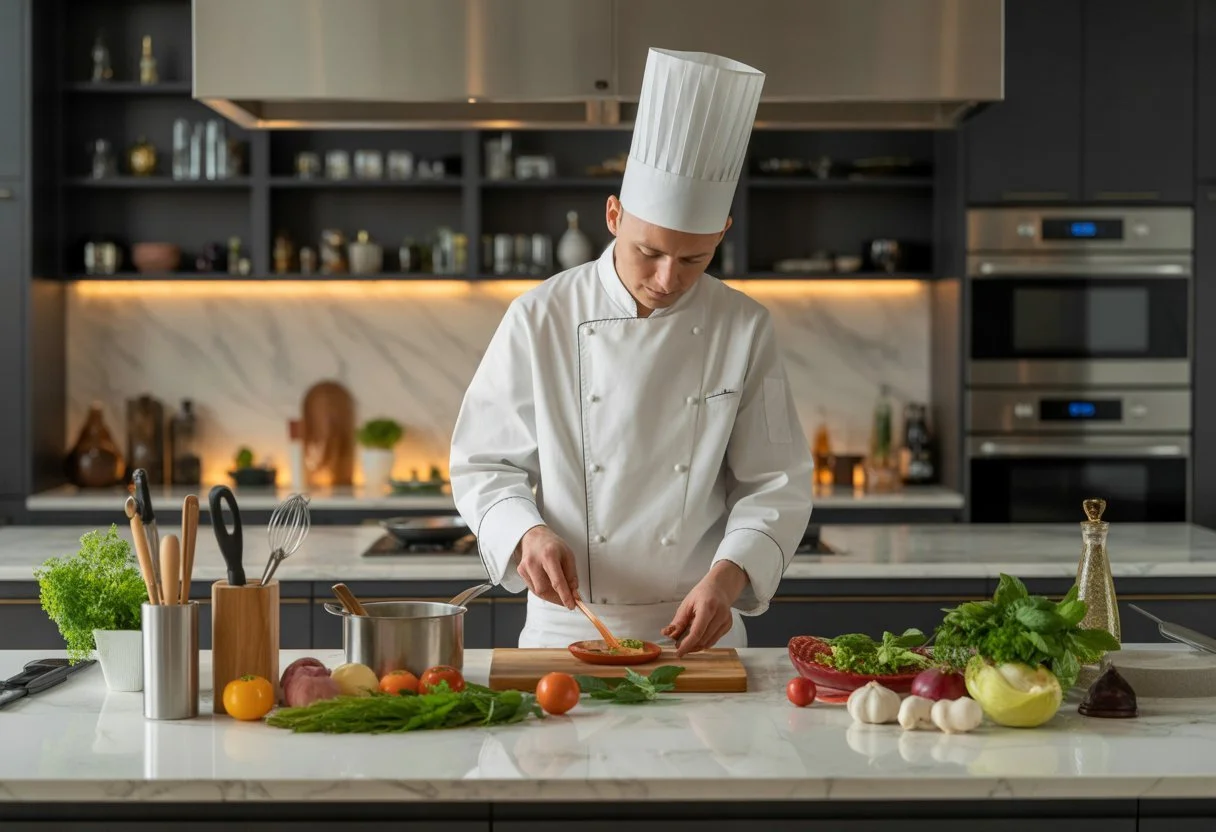
The experience involves careful planning, personalised meal preparation, and professional service that adapts to your specific tastes and dietary requirements. Unlike restaurant dining or takeaway meals, a private chef creates bespoke menus tailored to your preferences whilst handling every aspect of the cooking process in your own kitchen.
The reality includes both impressive culinary artistry and practical considerations such as kitchen preparation, ingredient sourcing, and post-meal tidying. Understanding what occurs behind the scenes helps you know exactly what to expect when bringing this luxury service into your home.
The Private Chef Experience: What to Expect

Working with a private chef involves several key stages that transform dining at home into a tailored culinary experience. The process begins with detailed consultation and menu planning, followed by collaborative meal design that reflects personal preferences.
Initial Contact and Consultation
The first step involves a detailed conversation between the client and private chef. This consultation covers dietary requirements, food preferences, and any allergies or restrictions.
Most private chefs conduct this meeting in person or via video call. They ask specific questions about favourite cuisines, cooking styles, and meal timing preferences.
Key discussion points include:
Budget parameters
Number of guests
Kitchen facilities and equipment
Service style preferences
Special occasions or themes
The chef also assesses the kitchen space during this stage. They need to understand available equipment, storage, and workspace to plan effectively.
This initial meeting typically lasts 30-60 minutes. It establishes the foundation for all future meal planning and service delivery.
Menu Collaboration and Personalisation
Menu creation becomes a collaborative process between client and chef. The private chef presents initial ideas based on the consultation feedback.
Clients can request modifications to proposed dishes. Most chefs offer multiple menu options for each meal or event.
The chef sources ingredients based on agreed menus. They often provide details about ingredient origins and preparation methods.
Personalisation options include:
Adapting family recipes
Incorporating cultural preferences
Adjusting portion sizes
Creating themed dining experiences
Seasonal availability influences menu suggestions. Professional chefs recommend ingredients at peak quality and flavour.
Final menu approval happens before shopping begins. This ensures complete client satisfaction with planned meals.
Understanding the Role of a Private Chef
A private chef handles all aspects of meal preparation and service. Their responsibilities extend beyond basic cooking to include menu planning, shopping, and kitchen management.
They arrive with professional equipment if needed. Most bring specialised tools that may not be available in home kitchens.
Core responsibilities include:
Ingredient procurement
Meal preparation and cooking
Presentation and plating
Kitchen cleaning and organisation
The chef works independently during service. They manage timing to ensure all courses are served at optimal temperature.
Personal chefs differ slightly as they often prepare multiple meals for storage. Private chefs typically focus on immediate service and fresh preparation.
Both roles require professional training and food safety certification. They bring restaurant-quality skills to the home environment.
Culinary Preparations Before the Event
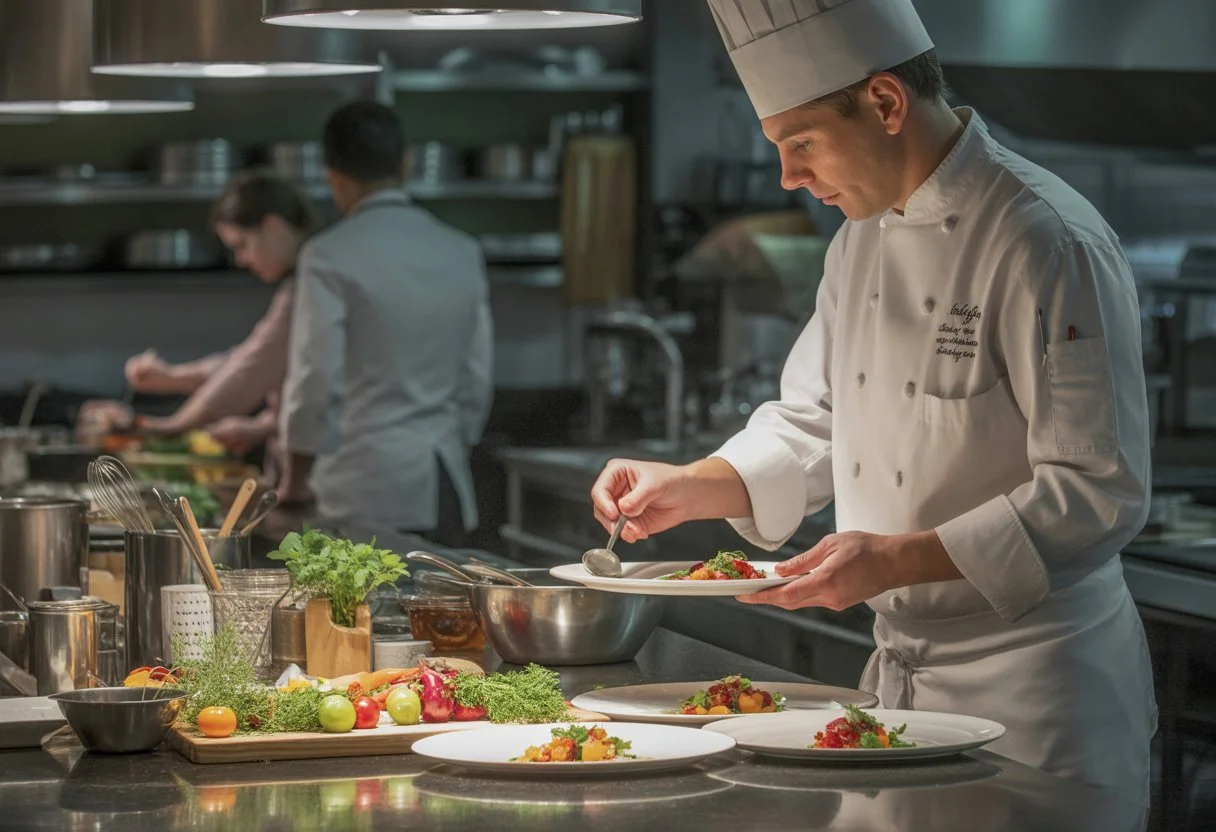
A private chef begins extensive preparation days before your event, focusing on three critical areas. They source premium ingredients, arrange specialised equipment, and carefully map out dietary requirements to ensure every detail is perfect.
Food Sourcing and Ingredient Selection
Private chefs start ingredient sourcing 2-3 days before your event. They visit local markets, speciality suppliers, and trusted vendors to find the freshest produce.
Quality comes first. Many chefs have established relationships with specific suppliers. This means they can access ingredients that aren't available to the general public.
The selection process involves multiple factors:
• Seasonality - choosing ingredients at their peak • Origin - sourcing from specific regions known for quality • Freshness timeline - calculating when items will be at their best
Some ingredients require advance ordering. Items like dry-aged beef, specific fish varieties, or rare truffles need booking weeks ahead. The chef coordinates these timelines carefully.
They also prepare backup options. If the main ingredient isn't available or doesn't meet standards, alternative plans are ready.
Special Equipment and Planning
Professional cooking often requires equipment beyond standard kitchen tools. Private chefs assess your kitchen facilities during initial visits.
They bring specialised items like immersion circulators, precision scales, or specific pan types. Some dishes simply cannot be prepared without proper tools.
Kitchen layout mapping is crucial. The chef plans where each cooking station will be set up. This includes prep areas, cooking zones, and plating spaces.
Common equipment additions include:
| Equipment Type | Purpose |
|---|---|
| Portable induction hobs | Extra cooking surfaces |
| Professional knives | Precision cutting |
| Digital thermometers | Temperature accuracy |
| Specialised moulds | Dish presentation |
They also plan the cooking timeline. Complex dishes require precise scheduling. Some components start hours before service begins.
Establishing Guest Preferences and Dietary Restrictions
Understanding your guests' needs is essential preparation work. Private chefs conduct detailed discussions about preferences and restrictions well before the event.
Medical dietary requirements receive top priority. Allergies, coeliac disease, and other conditions require separate preparation areas and ingredients.
The chef creates individual guest profiles. These include likes, dislikes, and any cultural or religious dietary laws. This information shapes the entire menu design.
Cross-contamination prevention requires careful planning. Separate cutting boards, utensils, and cooking surfaces are arranged for allergen-free dishes.
They prepare alternative versions of dishes when needed. If one guest cannot eat shellfish, the chef creates a similar dish with different protein.
The chef also considers portion preferences. Some guests prefer smaller tasting portions whilst others want full-sized servings.
Behind the Scenes on the Day

The private chef arrives with professional equipment and ingredients, transforming your home into a restaurant kitchen. They engage directly with guests whilst cooking, creating an interactive dining experience that differs greatly from traditional catering services.
Arriving and Setting Up in Your Kitchen
The private chef typically arrives 2-3 hours before the scheduled meal time. They bring their own knives, specialised equipment, and all necessary ingredients in insulated containers.
The setup process begins with a thorough assessment of your kitchen layout. The chef identifies optimal workspace areas and locates essential appliances like hobs, ovens, and refrigeration.
Key setup activities include:
Organising ingredients by cooking sequence
Arranging tools and equipment for efficiency
Preparing mise en place (chopped vegetables, measured seasonings)
Setting up presentation areas for plating
Unlike catering services that prepare food off-site, the private chef adapts to your specific kitchen environment. They work around your existing layout whilst maintaining professional standards.
The chef may request temporary storage space in your refrigerator or pantry. They bring their own cleaning supplies and maintain hygiene protocols throughout the preparation process.
Live Cooking and Culinary Interaction
The cooking process becomes a live performance in your kitchen. Guests can observe professional techniques and ask questions about ingredients or methods.
The private chef manages multiple dishes simultaneously. They coordinate timing so each course arrives at the proper temperature and presentation quality.
Typical cooking activities:
Searing proteins at high temperatures
Preparing fresh sauces and reductions
Plating dishes with artistic presentation
Adjusting seasoning to guest preferences
Many chefs explain their techniques whilst cooking. They share stories about ingredient sourcing or recipe development, creating an educational element.
The interactive nature distinguishes private chef services from traditional catering. Guests witness the entire cooking process rather than receiving pre-prepared meals.
Some chefs invite guests to participate in simple tasks like garnishing or tasting for seasoning approval.
Atmosphere and Guest Engagement
The private chef creates a relaxed yet sophisticated dining atmosphere. They manage conversation flow whilst maintaining focus on food preparation and service.
Professional chefs read the room's energy level. They adjust their interaction style based on whether guests prefer active engagement or subtle background presence.
Engagement typically includes:
Presenting each course with ingredient descriptions
Answering questions about cooking techniques
Sharing culinary knowledge and experiences
Accommodating special dietary requests in real-time
The chef maintains professional boundaries whilst creating warmth and hospitality. They ensure guests feel comfortable in their own home environment.
Many private chefs develop ongoing relationships with regular clients. They remember dining preferences and create personalised menu experiences for return visits.
The atmosphere remains intimate and exclusive compared to restaurant dining or large catering events.
Dining, Service, and Clean-Up
The final phase transforms your dining space into a restaurant-quality experience where the private chef handles every detail from plating to departure. Professional service standards ensure seamless presentation whilst complete kitchen restoration leaves no trace of the cooking process.
Table Service and Presentation
The private chef arrives at your dining table with restaurant-level presentation skills. Each plate receives careful attention to visual appeal and proper temperature.
Professional plating techniques include:
Sauce drizzling and garnish placement
Proper portion sizing and spacing
Temperature-controlled serving dishes
Wine pairing suggestions
The chef explains each course as they present it. They describe key ingredients, cooking methods, and flavour profiles. This educational element adds value beyond just the meal.
Timing between courses follows fine dining standards. The private chef monitors your pace and adjusts service accordingly. They clear plates at appropriate moments without rushing the experience.
Special dietary requirements receive the same attention to detail. Gluten-free, vegan, or allergy-conscious dishes maintain identical presentation standards.
Enjoying the Meal
Your role becomes purely enjoyment whilst the private chef manages all service aspects. They remain available but unobtrusive during your meal.
The chef handles wine service if requested. This includes proper glassware selection and serving temperatures. They may suggest pairings but respect your preferences.
Service elements during dining:
Discrete plate clearing
Bread and water refills
Temperature adjustments for remaining courses
Dietary accommodation checks
Multiple courses arrive with perfect timing. The private chef coordinates preparation so nothing sits under heat lamps or loses quality.
Questions about recipes or techniques receive knowledgeable answers. Many chefs enjoy sharing their expertise when guests show interest.
The atmosphere remains relaxed despite professional service standards. Your private chef adapts their presence to match your preferred dining style.
Professional Clean-Up and Departure
Complete kitchen restoration begins immediately after the final course. The private chef handles all washing, sanitising, and reorganising tasks.
Clean-up responsibilities include:
All cookware and utensils
Countertop and appliance cleaning
Rubbish removal and recycling
Equipment packing and storage
Your kitchen returns to its original state or better. Professional chefs maintain high cleanliness standards that exceed typical home cooking clean-up.
Leftover food receives proper storage with clear labelling. The chef provides reheating instructions for optimal quality retention.
Equipment departure happens efficiently. Personal knives, specialty tools, and ingredients leave with the chef unless previously arranged otherwise.
The entire process typically takes 30-45 minutes after serving concludes. You remain free to continue enjoying your evening whilst restoration happens seamlessly.
Benefits and Realities of Hiring a Private Chef
Having a private chef transforms daily dining from routine meal preparation into a customised culinary experience. The service combines personalised attention with practical convenience, though costs and accessibility vary significantly based on individual needs and circumstances.
Personalised Service and Convenience
A private chef creates menus tailored specifically to their client's preferences and lifestyle. They work directly with families to understand taste preferences, cooking styles, and meal timing requirements.
Menu Customisation includes adapting dishes for different family members, incorporating seasonal ingredients, and exploring various cuisines. The chef handles all aspects of meal planning and preparation.
The convenience factor extends beyond cooking itself. Private chefs manage:
Grocery shopping and ingredient sourcing
Meal preparation and timing coordination
Kitchen cleanup and organisation
Special event planning and execution
This service eliminates daily decisions about what to cook and when to prepare meals. Families save significant time previously spent on meal planning, shopping, and cooking.
A personal chef typically works flexible schedules based on client needs. Some prepare weekly meals in advance, whilst others cook fresh meals daily or for specific occasions.
Health, Nutrition, and Dietary Accommodation
Private chefs excel at managing dietary restrictions and health-focused meal plans. They create balanced menus that meet specific nutritional requirements without compromising flavour or variety.
Common dietary accommodations include:
Gluten-free and allergen-free cooking
Diabetic-friendly meal preparation
Weight management programmes
Vegetarian and vegan options
Cultural and religious dietary laws
Professional chefs understand nutrition principles and ingredient interactions. They source high-quality ingredients and prepare meals using healthier cooking methods than many restaurants or processed foods.
The chef monitors portion sizes and nutritional balance across all meals. This attention to detail supports long-term health goals and dietary consistency.
Families with children benefit from chefs who can prepare appealing, nutritious meals that encourage healthy eating habits. The chef adapts cooking techniques to make vegetables and wholesome ingredients more appealing.
Costs, Value, and Accessibility
Private chef services vary widely in cost structure and availability. Full-time private chefs typically earn £35,000-£80,000 annually, whilst part-time personal chefs charge £200-£500 per day.
| Service Type | Typical Cost | Frequency |
|---|---|---|
| Daily cooking | £250-£400/day | 3-7 days/week |
| Weekly meal prep | £300-£600/week | Once weekly |
| Special events | £400-£800/event | As needed |
The investment includes professional expertise, ingredient costs, and time savings. Many families find the cost comparable to frequent restaurant dining combined with grocery expenses.
Value considerations include improved nutrition, time savings, and reduced food waste. Professional chefs maximise ingredient usage and plan portions more efficiently than typical home cooking.
Accessibility depends on location and local chef availability. Urban areas typically offer more options, whilst rural locations may have limited choices or higher travel costs.
The service suits families with demanding schedules, health requirements, or those who prioritise high-quality home dining. Budget constraints make this option more accessible for special occasions rather than daily use for many households.
Choosing Between Private Chef, Personal Chef, and Catering
Each service offers different levels of personalisation, commitment, and dining experiences. Understanding these distinctions helps determine which option best fits your specific needs and budget.
Differences and Overlaps
Private chefs work exclusively for one client or family. They typically live on the property or work full-time in the client's home. These chefs handle all meal planning, shopping, cooking, and kitchen management.
Personal chefs serve multiple clients throughout the week. They prepare meals in batches, often working in their own kitchens or the client's space. Most personal chefs don't live with their clients.
Catering services focus on events and special occasions. They bring pre-prepared food or cook on-site for larger groups. Caterers handle everything from setup to cleanup.
| Service Type | Commitment Level | Typical Client Base | Location |
|---|---|---|---|
| Private Chef | Full-time/exclusive | Single household | Client's home |
| Personal Chef | Part-time/multiple clients | Several households | Various locations |
| Catering | Event-based | Event hosts | Event venues |
All three services overlap in their ability to create customised menus and accommodate dietary requirements.
When to Hire Each Service
Choose a private chef when you want daily, restaurant-quality meals at home. This works best for busy families, individuals with specific dietary needs, or those who entertain frequently. The commitment requires a substantial budget but offers maximum convenience.
Hire a personal chef for weekly meal preparation without full-time commitment. This suits professionals who want healthy, home-cooked meals but don't need daily service. Personal chefs cost less than private chefs whilst still providing customised nutrition.
Select catering for events with more than 15 people. Caterers excel at serving large groups efficiently. They're ideal for parties, corporate events, or special celebrations where you need professional service and presentation.
Consider your budget, frequency of need, and desired level of personalisation when making your choice.
Frequently Asked Questions
People often have practical questions about costs, qualifications, and logistics when considering a private chef. Understanding menu planning processes, dietary accommodations, and kitchen requirements helps clients make informed decisions.
What qualifications should one look for when hiring a private chef?
A qualified private chef should hold formal culinary training from a recognised culinary school or extensive restaurant experience. Many professional chefs complete apprenticeships or hold certifications from culinary institutes.
Look for chefs with food safety certifications and valid food hygiene certificates. These credentials ensure they understand proper food handling and storage procedures.
Experience working in private homes or high-end establishments demonstrates their ability to work independently. References from previous clients provide insight into their reliability and cooking quality.
Some chefs specialise in specific cuisines or dietary requirements. Check their portfolio matches your preferences and needs.
How does the menu planning process work with a private chef?
The menu planning process begins with a detailed consultation about food preferences, allergies, and dietary restrictions. The chef discusses favourite cuisines, disliked ingredients, and any special requests.
Most chefs create custom menus based on seasonal ingredients and client preferences. They often provide several menu options for approval before shopping and cooking.
The chef typically plans meals for a specific period, whether it's a single dinner party or weekly meal preparation. They coordinate timing with the client's schedule and any special events.
Menu adjustments can be made throughout the arrangement. Many chefs welcome feedback and adapt menus based on client responses to previous meals.
What are the cost considerations when employing a private chef?
Private chef costs vary significantly based on location, experience level, and services required. Daily rates typically range from £200 to £600 per day, depending on the chef's qualifications.
Additional costs include grocery expenses, which clients usually cover separately. Premium ingredients and special dietary requirements may increase food costs.
Some chefs charge hourly rates for shorter engagements like dinner parties. These rates often range from £25 to £75 per hour, plus ingredient costs.
Travel expenses may apply if the chef must travel significant distances. Overnight accommodation costs might be necessary for multi-day arrangements or remote locations.
How does a private chef accommodate dietary restrictions and preferences?
Private chefs excel at creating meals around specific dietary needs including vegetarian, vegan, gluten-free, and ketogenic requirements. They research ingredients carefully to avoid allergens and restricted foods.
Many chefs have experience with medical dietary restrictions such as diabetic-friendly or low-sodium meals. They can work with nutritionists or healthcare providers when necessary.
The chef sources appropriate ingredients and often knows specialty suppliers for hard-to-find items. They may suggest alternatives when certain ingredients are unavailable.
Cross-contamination prevention is standard practice for chefs dealing with severe allergies. They use separate preparation areas and utensils when required.
What is the typical time commitment required from a private chef for meal preparation and service?
Time commitment depends on the scope of services requested. A dinner party typically requires 6-8 hours including shopping, preparation, cooking, and cleaning.
Daily meal preparation usually takes 4-6 hours per day. This includes breakfast, lunch, and dinner preparation along with kitchen cleanup.
Weekly meal prep services often require 1-2 full days. The chef prepares multiple meals that clients can store and reheat throughout the week.
Some arrangements include additional services like grocery shopping or kitchen organisation. These services extend the time commitment but provide comprehensive meal management.
What level of kitchen access and equipment is necessary for a private chef to work effectively?
A private chef needs full access to a functional kitchen with basic appliances including an oven, hob, refrigerator, and adequate counter space. Most home kitchens meet these requirements.
Professional-grade equipment isn't essential, but good-quality knives and cookware improve efficiency. Many chefs bring their own knife sets and specialty tools.
Adequate refrigeration and storage space is crucial, especially for multi-day arrangements. The chef needs space to store ingredients and prepared meals safely.
Some chefs may request specific equipment for particular cooking techniques. They usually discuss equipment needs during initial consultations and can often provide alternatives if items are unavailable.
Elevate Your Dinner Party to the Next Level
Contact Blas Dining today.