Dietary Requirements, Perfectly Handled: The Art of Creating Inclusive Menus with Private Chefs
Eating should be enjoyable for everyone, regardless of dietary needs or restrictions. Yet many people with allergies, intolerances, or specific food requirements often feel left out at social gatherings or worry about their safety when dining. Private chefs solve this problem by designing personalised menus that accommodate every guest's dietary requirements whilst maintaining flavour and presentation.
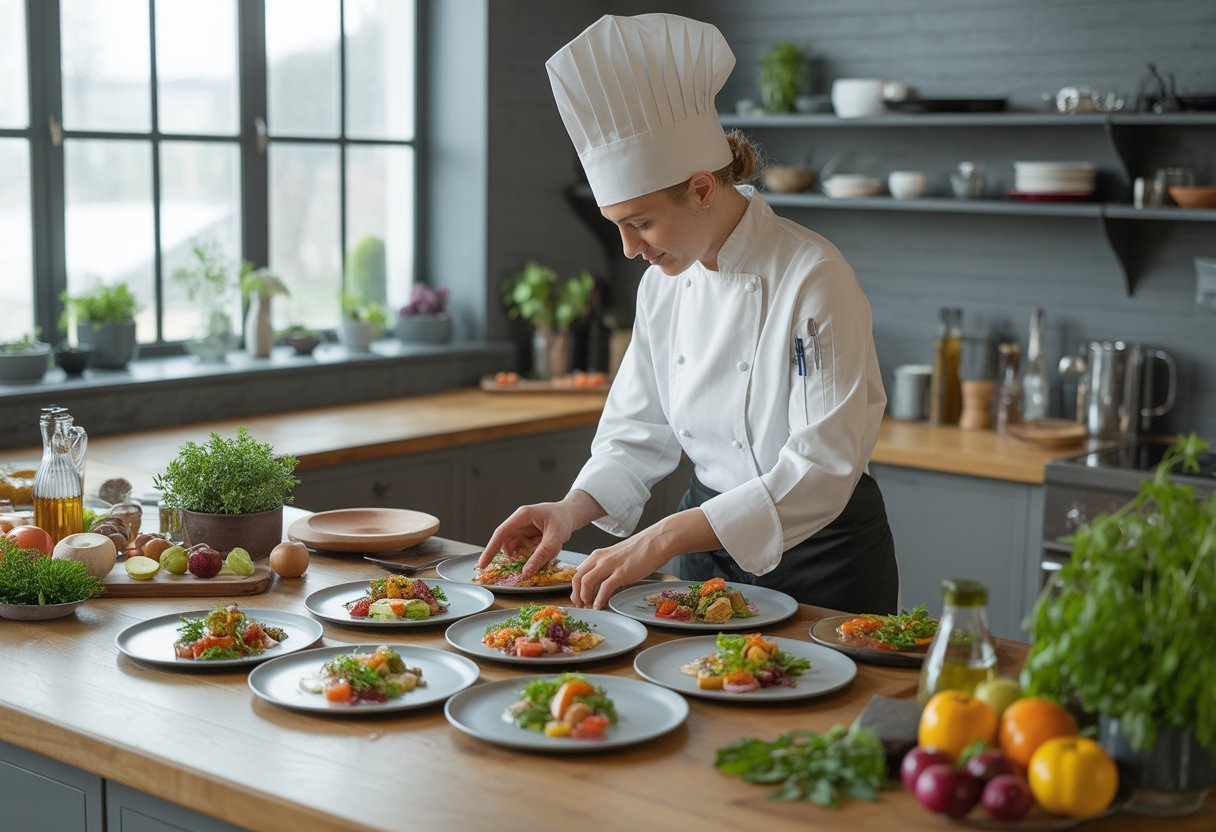
Creating inclusive menus requires more than just removing certain ingredients. It involves understanding the science behind food allergies, cross-contamination risks, and nutritional balance. Private chefs combine culinary expertise with careful planning to ensure that dietary restrictions never mean compromising on taste or variety.
From initial consultation through to plating the final dish, private chefs take a systematic approach to inclusive dining. This article explores how professional chefs assess dietary needs, source appropriate ingredients, implement safe cooking practices, and communicate clearly with guests. You'll learn what makes a truly inclusive menu and how private chefs ensure everyone at your table feels welcomed and well-fed.
The Importance of Inclusive Menu Design
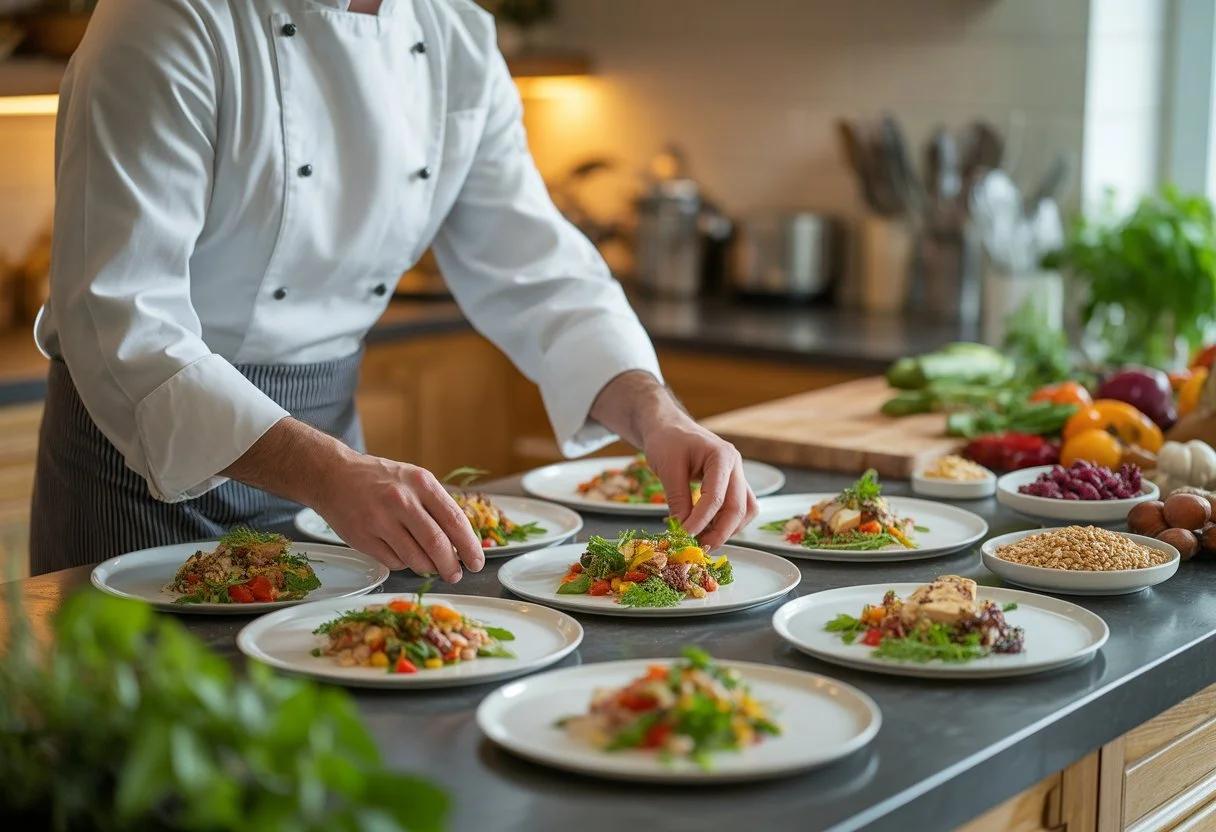
Inclusive menu design directly affects how welcomed and valued your guests feel at any dining event. When private chefs prioritise dietary inclusivity, they create experiences where everyone can participate fully in the meal without anxiety or compromise.
Embracing Dietary Inclusivity in Modern Cuisine
Dietary inclusivity means designing menus that naturally accommodate various dietary requirements rather than treating them as afterthoughts. Modern private chefs recognise that dietary restrictions fall into three main categories: allergies, intolerances, and religious or ethical preferences.
Your guests with coeliac disease need completely gluten-free options. Those following halal or kosher practices require specific preparation methods. Plant-based eaters expect thoughtful vegan choices beyond simple salads.
Common dietary requirements include:
Food allergies (nuts, shellfish, eggs, dairy)
Medical conditions (diabetes, coeliac disease)
Religious observances (halal, kosher, Hindu vegetarian)
Ethical choices (vegan, vegetarian)
Lifestyle preferences (keto, paleo, low-FODMAP)
Private chefs who embrace inclusive catering understand cross-contamination risks and ingredient sourcing. They design dishes where dietary accommodations integrate seamlessly into the overall menu aesthetic.
The Impact on Guest Satisfaction and Event Success
When you provide inclusive menus, guests can focus on enjoying the event rather than worrying about what they can eat. This consideration directly influences how people remember your gathering.
Guests with dietary requirements often feel marginalised when given limited or poorly executed options. An inclusive approach ensures everyone receives equally appealing dishes. Your vegetarian guests shouldn't receive a hastily assembled plate whilst others enjoy carefully crafted meals.
Event catering that addresses all dietary needs creates a sense of belonging. Guests notice when their requirements are handled with care and professionalism. They feel respected and valued, which strengthens relationships and enhances the overall event atmosphere.
Responding to Dietary Trends and Expectations
Dietary trends evolve constantly, and your private chef must stay informed about emerging preferences. Plant-based eating has grown significantly beyond traditional vegetarianism. Guests now expect sophisticated vegan options that showcase creativity and flavour.
Gluten-free requirements have increased as awareness of coeliac disease and gluten sensitivity expands. Low-sugar and anti-inflammatory diets reflect growing health consciousness. Your chef needs to understand these dietary trends to meet current expectations.
Modern diners research menus before events and appreciate when dietary requirements are proactively addressed. They expect clear communication about ingredients and preparation methods. This transparency builds trust and demonstrates professional standards in event catering.
Understanding Diverse Dietary Requirements
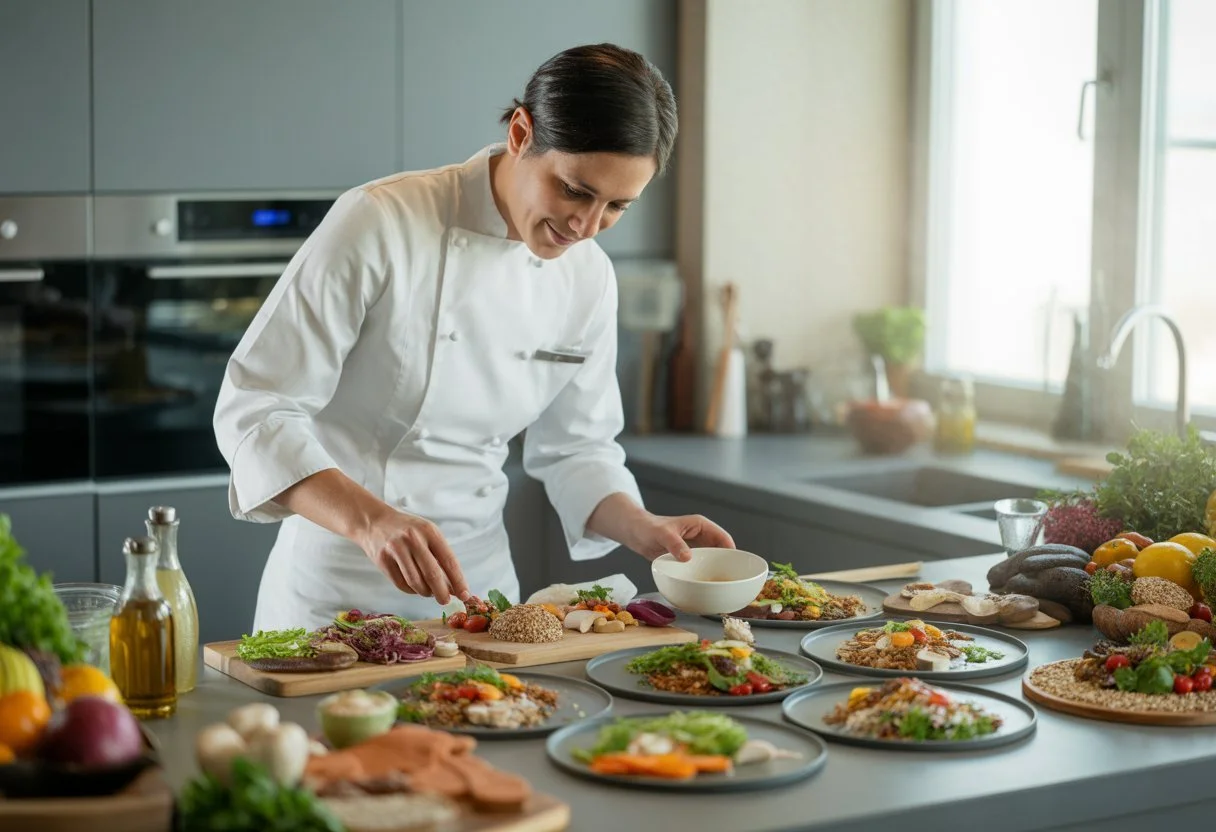
Private chefs work with a wide range of dietary needs, from life-threatening food allergies to personal lifestyle choices. Knowing the difference between medical requirements and preferences helps chefs create safe, satisfying meals for every client.
Types of Dietary Needs and Restrictions
Dietary requirements fall into several distinct categories. Medical conditions like celiac disease require strict avoidance of specific ingredients to prevent serious health consequences. Religious dietary laws, including halal and kosher practices, involve specific preparation methods and ingredient restrictions that must be followed precisely.
Ethical choices such as vegetarian and vegan diets exclude animal products to varying degrees. Plant-based eating has grown significantly, requiring chefs to understand protein alternatives and nutritional balance.
Lifestyle diets like ketogenic, paleo, or low-FODMAP plans focus on specific food groups or macronutrient ratios. These require careful menu planning to meet nutritional goals whilst maintaining flavour and satisfaction.
Common dietary categories include:
Medical: Celiac disease, diabetes, kidney disease
Religious: Halal, kosher, Hindu vegetarian
Ethical: Vegan, vegetarian, pescatarian
Lifestyle: Keto, paleo, low-carb, Mediterranean
Dietary Preferences Versus Medical Requirements
Medical dietary requirements are non-negotiable. Food allergies can trigger life-threatening reactions, and conditions like celiac disease cause serious intestinal damage from even tiny amounts of gluten. Gluten sensitivity, whilst less severe than celiac disease, still causes genuine discomfort and health issues.
Dietary preferences stem from personal choice rather than medical necessity. Someone avoiding dairy by preference can tolerate small amounts without health consequences. A person with a dairy allergy cannot.
Private chefs must treat all dietary needs with respect, but medical requirements demand absolute precision. Cross-contamination in the kitchen can hospitalise someone with severe allergies. Preference-based restrictions allow more flexibility in preparation and ingredient substitutions.
Clear communication with clients establishes which restrictions are medical and which are preferential. This information shapes kitchen protocols, ingredient sourcing, and menu planning approaches.
Common Allergens and Special Diets
The most common allergens account for the majority of allergic reactions. These include milk, eggs, fish, shellfish, tree nuts, peanuts, wheat, and soya. Many countries require these allergens to be clearly labelled on packaged foods.
Celiac disease affects roughly 1% of the population and requires complete gluten elimination. This means avoiding wheat, barley, rye, and cross-contamination from shared cooking surfaces or utensils.
Allergen management requires:
Separate preparation areas and utensils
Careful ingredient label reading
Understanding hidden sources of allergens
Proper storage to prevent cross-contact
Staff training on severity and protocols
Special diets often combine multiple restrictions. A vegan client with nut allergies needs completely different ingredients than a ketogenic client avoiding gluten. Private chefs must master ingredient alternatives that maintain taste, texture, and nutritional value across these varied requirements.
Crafting Menus That Accommodate All Guests
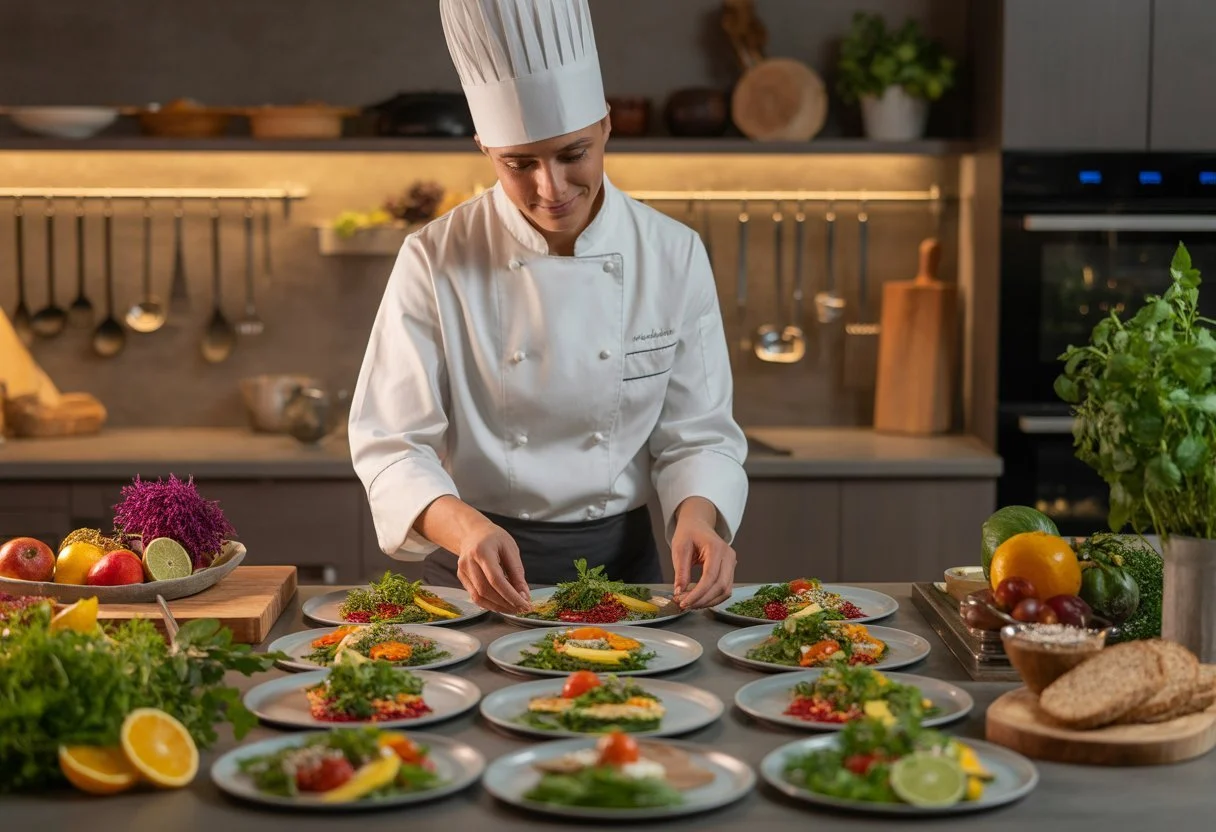
Private chefs build inclusive menus by planning dishes that work for multiple dietary needs, offering customizable options that avoid common allergens, and ensuring plant-based guests have satisfying choices.
Menu Planning for Inclusivity
Menu planning starts with gathering detailed information about your guests' dietary restrictions and preferences. You need to know who requires gluten-free, dairy-free, or nut-free options before designing your menu. This information allows your private chef to create dishes that naturally accommodate multiple needs at once.
An inclusive menu features dishes that can be easily modified without compromising flavour or presentation. Your chef can design a base menu where certain elements can be swapped or removed based on individual requirements. For example, a grain bowl can be served with quinoa for gluten-free guests or with regular couscous for others.
The key is building flexibility into every course. When you plan dishes with interchangeable components, your guests receive meals that feel intentional rather than like afterthoughts. This approach ensures everyone at your table enjoys the same level of culinary experience regardless of their dietary needs.
Flexible, Customisable and Allergen-Free Dishes
Customizable dishes give your private chef the ability to serve multiple dietary requirements from one core recipe. Your chef can prepare proteins, grains, and vegetables separately, then plate them according to each guest's needs. This method keeps cooking efficient whilst ensuring safety for guests with allergies.
Allergen-free dishes require careful ingredient selection and preparation techniques. Your private chef will avoid cross-contamination by using separate cutting boards, utensils, and cooking surfaces for allergen-free meals. Common allergens like gluten, dairy, and nuts can be replaced with suitable alternatives that maintain texture and taste.
Common allergen substitutions include:
Gluten-free options: rice flour, almond flour, or chickpea flour instead of wheat
Dairy-free alternatives: coconut cream, cashew cheese, or oat milk
Nut-free solutions: seeds like sunflower or pumpkin for texture and protein
Your chef can also label dishes clearly at buffet-style events to help guests identify safe options quickly.
Planning for Plant-Based and Vegetarian Options
Plant-based options should be substantial and satisfying, not just side dishes rearranged on a plate. Your private chef will create plant-based dishes that serve as complete meals with adequate protein, healthy fats, and complex carbohydrates. These dishes work for vegan guests whilst appealing to omnivores too.
Vegetarian options can include eggs and dairy, giving your chef more flexibility than strictly plant-based dishes. Your diverse menu might feature a vegetarian risotto alongside a fully vegan curry, ensuring both preferences are met. Each option should feel like a deliberate choice rather than a dietary compromise.
Plant-based dishes often centre around legumes, whole grains, and seasonal vegetables prepared with techniques that build flavour. Your chef might use methods like roasting, grilling, or fermenting to create depth and complexity. These approaches turn simple ingredients into memorable dishes that all your guests can appreciate.
Sourcing Quality Ingredients for Special Diets
Private chefs build their menus around high-quality ingredients that meet specific dietary needs whilst maintaining exceptional flavour. They work with trusted suppliers and prioritise seasonal, local options to ensure freshness and nutritional value.
Choosing Local and Seasonal Produce
Your private chef focuses on local and seasonal ingredients because they offer superior taste and nutritional content compared to imported alternatives. Seasonal produce reaches your table at peak ripeness, which means better flavour and higher vitamin levels. Local ingredients also travel shorter distances, so they stay fresher for longer periods.
Fresh, seasonal vegetables and fruits naturally align with many dietary requirements. A chef can build gluten-free menus around spring asparagus or autumn squash without relying on processed alternatives. Local farmers' markets provide access to organic produce that works well for clients with sensitivities to pesticides or chemicals.
Seasonal cooking also means your chef adapts menus throughout the year. Winter root vegetables suit hearty vegan stews, whilst summer berries work perfectly for dairy-free desserts.
Supplier Relationships and Speciality Products
Private chefs maintain connections with speciality suppliers who provide allergen-free, organic, and dietary-specific ingredients. These relationships ensure access to products that supermarkets might not stock regularly. Your chef knows which suppliers offer reliable gluten-free flours, dairy alternatives, or sustainably sourced proteins.
Trusted suppliers provide detailed information about ingredient sourcing and processing methods. This matters when you need to avoid cross-contamination or require certified allergen-free products. Chefs often work with butchers who understand halal requirements or fishmongers who source sustainable seafood.
Speciality health food distributors supply items like grain-free pasta, sugar alternatives, or specific protein powders. Your chef can source these products quickly through established supplier networks, ensuring your dietary needs never compromise meal quality or variety.
Culinary Practices for Safe and Inclusive Dining
Safe kitchen practices and proper staff training form the foundation of inclusive dining. These two elements work together to protect guests with allergies and dietary restrictions whilst ensuring every meal meets their specific needs.
Preventing Cross-Contamination in the Kitchen
Cross-contamination occurs when allergens or restricted ingredients accidentally transfer to dishes meant to be free of them. Private chefs prevent this by maintaining separate preparation areas for allergen-free meals.
Dedicated cutting boards, knives, and utensils must be used for specific dietary requirements. Clean these tools thoroughly between uses or store colour-coded equipment for different allergens.
Key kitchen practices include:
Preparing allergen-free meals first, before cooking dishes with common allergens
Using separate cooking oils and pans for different dietary needs
Storing allergen-free ingredients in sealed containers away from potential contaminants
Cleaning work surfaces with fresh cloths and sanitiser before preparing restricted meals
Label everything clearly in the kitchen. Mark containers, prepared ingredients, and finished dishes to avoid mix-ups during service.
Staff Training and Knowledge Sharing
Your private chef should receive regular training on food allergies, intolerances, and dietary restrictions. This knowledge extends beyond simply knowing which ingredients to avoid.
Staff training must cover recognising hidden allergens in processed foods, reading ingredient labels carefully, and understanding cross-reactive foods. For example, someone allergic to birch pollen might also react to apples or hazelnuts.
Private chefs need clear communication protocols. They should confirm dietary requirements before each event, ask detailed questions about severity and restrictions, and maintain written records of each client's needs.
Emergency procedures form another crucial training element. Your chef should know how to respond if a guest has an allergic reaction and keep emergency contact information readily available.
Communication, Menu Labelling, and Continuous Improvement
Private chefs build trust through transparent menu labelling that clearly identifies ingredients and allergens, whilst actively seeking customer feedback to refine their approach to dietary requirements.
Clear Menu Labelling and Dish Transparency
Your private chef should provide detailed information about each dish before you take a bite. Clear menu labelling includes listing major allergens such as nuts, dairy, gluten, and shellfish alongside every menu item.
Professional chefs use simple symbols or colour codes to mark dishes suitable for specific diets. A small "V" might indicate vegan options, whilst a crossed-out wheat symbol shows gluten-free choices. These visual cues help you quickly identify safe options without reading lengthy descriptions.
The best private chefs go beyond basic allergen warnings. They provide ingredient lists and cooking methods for each dish. This transparency matters when you have multiple dietary restrictions or need to avoid specific food combinations.
Your chef should also explain how dishes are prepared to prevent cross-contamination. If a gluten-free meal is prepared in the same kitchen as regular pasta, you need to know. This level of detail helps you make informed decisions about what you eat.
Encouraging and Using Customer Feedback
Your input shapes how private chefs improve their inclusive menus over time. The most effective chefs ask specific questions about your experience with dietary accommodations. They want to know if portions felt adequate, if flavours met expectations, and if you felt fully included in the dining experience.
Private chefs use your feedback to expand their repertoire of inclusive dishes. If you mention wanting more plant-based protein options or creative alternatives to common allergens, these suggestions directly influence future menus.
Regular clients often see their preferences documented and remembered for subsequent events. Your chef might note that you prefer coconut milk over other dairy alternatives or that certain spice levels work better for your needs. This ongoing communication creates personalised dining experiences that improve with each meal.
Frequently Asked Questions
Private chefs navigate complex dietary requirements through careful planning, proper training, and clear communication with clients. They use specific techniques to prevent allergen exposure whilst staying current with nutrition science and medical diet protocols.
What strategies do private chefs employ to cater for diverse dietary needs?
Private chefs begin by conducting detailed consultations with you before planning any menu. They ask specific questions about allergies, intolerances, medical conditions, religious requirements, and personal preferences. This information forms the foundation of every meal they prepare.
They create customised meal plans that work around your restrictions without compromising on flavour or presentation. Many chefs maintain extensive ingredient databases that list allergens and nutritional information. They also develop recipe modifications that swap problematic ingredients for safe alternatives.
Private chefs source specialised ingredients from verified suppliers who can guarantee the purity of their products. They read labels carefully and contact manufacturers when ingredient lists are unclear. Some chefs build relationships with specific suppliers who specialise in allergen-free or dietary-specific foods.
How do private chefs ensure cross-contamination is avoided when preparing meals for clients with allergies?
Your private chef uses separate cutting boards, knives, and utensils when preparing allergen-free meals. They typically colour-code equipment to prevent mixing tools used for different dietary requirements. All surfaces are cleaned thoroughly between different food preparations.
Many private chefs prepare allergen-free dishes first, before working with any problematic ingredients. They store ingredients separately and use dedicated containers for allergen-free foods. Some chefs even bring their own equipment to your home to guarantee no cross-contact occurs.
They wash their hands frequently and change gloves between handling different ingredients. Private chefs also check that your kitchen equipment and cookware are properly cleaned before they begin cooking. If you have severe allergies, they may request that certain foods be removed from your kitchen entirely during meal preparation.
What processes do personal chefs follow to thoroughly understand a client's dietary preferences and restrictions?
Personal chefs start with an in-depth initial meeting where they discuss your complete dietary history. They ask you to list all allergies, intolerances, and foods you avoid for any reason. This conversation covers both mandatory restrictions and personal preferences.
They request documentation from your doctor or dietitian if you have medical dietary requirements. This ensures they understand the severity of your restrictions and any nutritional targets you need to meet. Many chefs keep detailed files on each client that they update regularly.
Your chef will often prepare trial meals to gauge your reactions and preferences. They ask for feedback after each service to refine future menus. This ongoing dialogue helps them learn your tastes, portion preferences, and any foods you've grown tired of eating.
In what ways do private chefs stay updated with the latest dietary trends and nutritional guidelines?
Private chefs regularly attend workshops and training courses focused on dietary requirements and nutrition. They participate in professional development programmes that cover emerging allergies, new dietary approaches, and updated food safety protocols. Many hold certifications in food allergies and special dietary cooking.
They read industry publications, nutrition journals, and food science research to stay informed. Professional chef networks and online forums provide spaces where they share knowledge about new ingredients and techniques. Some chefs work with registered dietitians to ensure their understanding of nutritional science remains current.
Your chef monitors changes to food labelling laws and ingredient regulations. They follow guidance from organisations like the Food Standards Agency and allergy charities. This knowledge helps them make informed decisions about ingredient selection and menu planning.
How do chefs specialising in private dining adapt their menu planning for clients with medically prescribed diets?
Chefs work directly with your medical team to understand the specific requirements of your prescribed diet. They review guidelines for conditions like diabetes, kidney disease, heart conditions, and digestive disorders. This collaboration ensures meals meet your therapeutic needs whilst remaining enjoyable.
They calculate precise nutritional values for each dish, tracking calories, macronutrients, sodium, and other relevant measurements. Specialised software helps them analyse recipes and adjust portions to meet your targets. Your chef documents everything they prepare so you and your medical team can monitor your intake.
These chefs modify cooking techniques to align with your health requirements. They might use less salt, reduce fat content, or adjust fibre levels based on your condition. Menu planning follows a cyclical approach that provides variety whilst maintaining consistent nutritional profiles.
What are the common challenges faced by private chefs when creating inclusive menus and how are they overcome?
Balancing multiple dietary restrictions within one meal presents a significant challenge. When you're hosting guests with different requirements, your chef must create dishes that work for everyone or prepare separate versions of each course. They overcome this by designing naturally inclusive recipes that don't contain common allergens or by choosing ingredients that suit multiple dietary needs.
Finding high-quality specialised ingredients can be difficult, particularly for less common restrictions. Private chefs build networks of reliable suppliers and maintain backup sources for critical ingredients. They also keep emergency substitutions in mind if a particular ingredient becomes unavailable.
Creating flavourful meals without certain ingredients requires creativity and skill. Chefs experiment with alternative ingredients and techniques to replicate textures and tastes. They use herbs, spices, and cooking methods to build complexity in dishes that might otherwise seem limited by restrictions.
Cost management becomes more difficult when sourcing specialised ingredients. Your chef negotiates with suppliers and buys in bulk where possible to control expenses. They also suggest seasonal alternatives that might be more affordable whilst still meeting your requirements.
Elevate Your Dining to the Next Level
Contact Blas Dining today.