Top 5 Seasonal Ingredients That Make Private Dining Extraordinary: A Chef's Guide to Elevating Your Menu
Private dining offers a unique opportunity to create memorable meals that go beyond restaurant experiences. The secret to making these occasions truly special lies in choosing ingredients at their seasonal peak. Using seasonal ingredients elevates private dining by delivering superior flavour, freshness, and a deeper connection to the natural rhythms of each time of year.
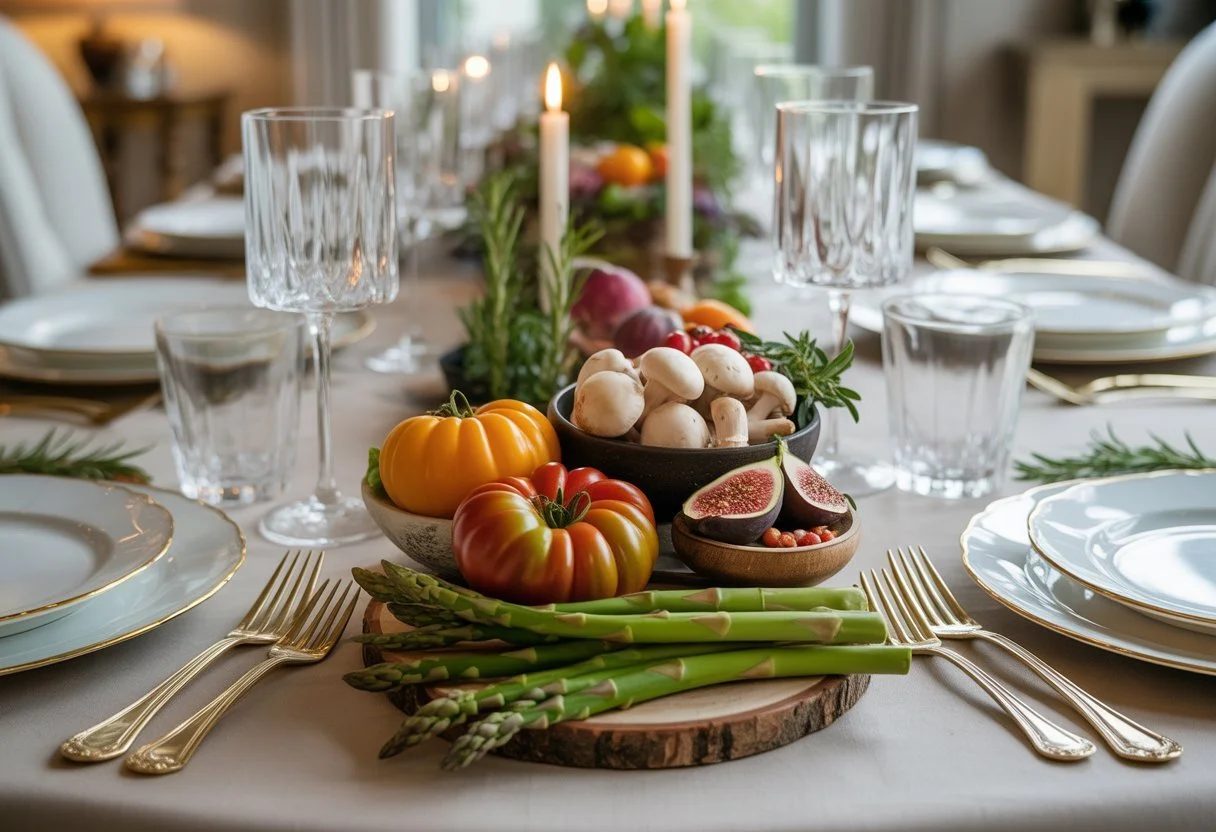
When a private chef builds a menu around what's currently in season, every dish benefits from ingredients at their best. Spring greens taste sweeter, summer berries burst with juice, and autumn root vegetables develop rich, earthy flavours that simply cannot be replicated out of season. This approach also supports local farmers and reduces environmental impact.
The right seasonal ingredients can transform an ordinary meal into something extraordinary. From vibrant herbs to perfectly ripe produce, these natural elements form the foundation of exceptional private dining experiences that guests remember long after the last course is served.
The Essential Role of Seasonal Ingredients in Private Dining
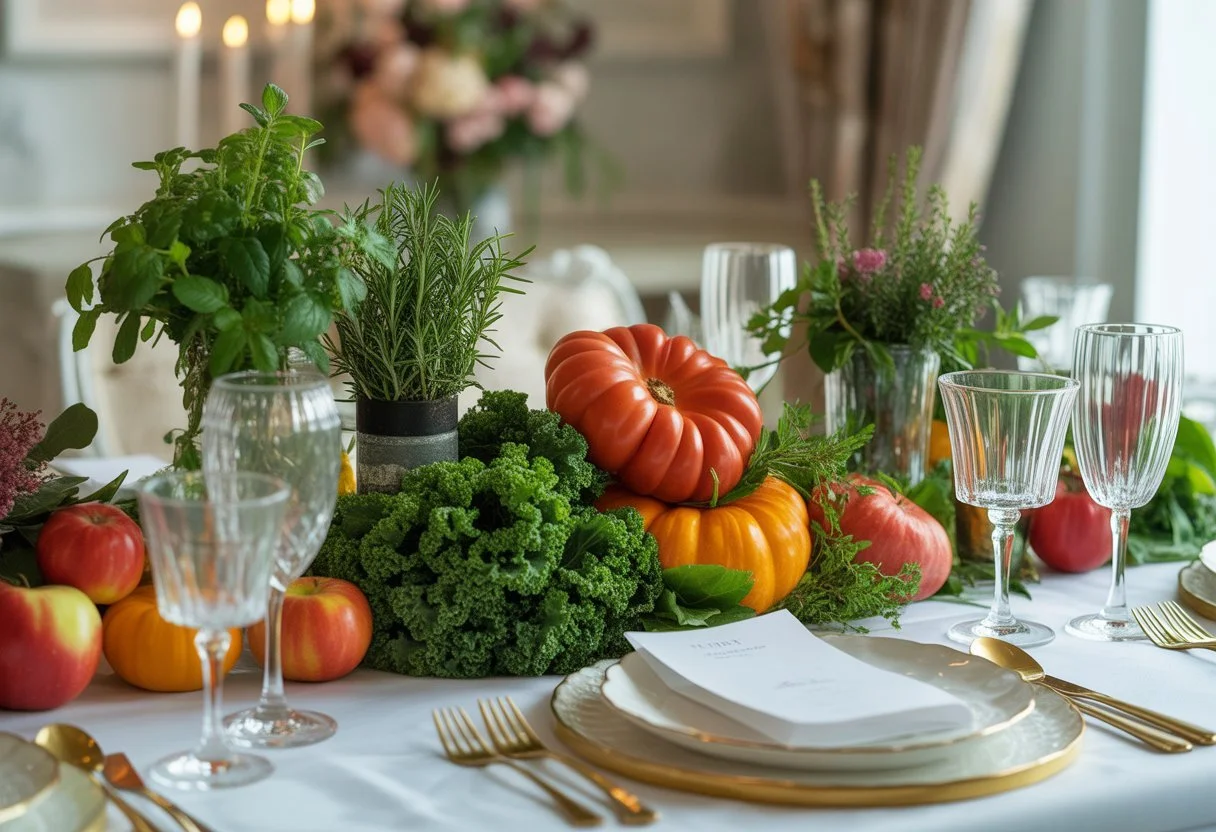
Seasonal ingredients transform private dining from a simple meal into an exceptional culinary experience. Fresh produce harvested at peak ripeness delivers superior flavour whilst supporting sustainable food systems and local economies.
Defining Seasonal Ingredients and Fresh Produce
Seasonal ingredients are food items harvested during their natural growing period when they reach peak ripeness. These ingredients appear in markets and kitchens at specific times throughout the year based on climate and regional growing conditions.
Fresh produce differs from year-round availability because it aligns with nature's cycles. Spring brings tender asparagus and peas. Summer offers ripe tomatoes and courgettes. Autumn delivers squashes and root vegetables. Winter provides hearty brassicas and stored apples.
A private chef understands these natural rhythms and plans menus accordingly. They source ingredients at their flavour peak rather than relying on imported alternatives. This approach ensures dishes feature produce with optimal taste, texture, and nutritional value.
Why Seasonality Elevates Private Chef Experiences
Seasonal produce provides a private chef with superior ingredients that make each dish more memorable. Vegetables and fruits harvested at peak ripeness contain higher concentrations of natural sugars, acids, and aromatic compounds that define excellent flavour.
These ingredients require less intervention in the kitchen. A perfectly ripe tomato needs little more than good olive oil and sea salt. A spring lamb benefits from simple preparation that highlights its tender, mild character.
Seasonal menus create variety throughout the year. Guests experience different dishes during each season rather than the same options repeatedly. This natural rotation keeps private dining exciting and connects diners to the rhythms of their region.
The nutritional benefits also improve. Produce consumed shortly after harvest retains more vitamins and minerals compared to items stored for extended periods or transported long distances.
Supporting Local Farmers and Regional Flavours
Choosing seasonal produce directly supports local farmers who grow food suited to regional conditions. These relationships ensure a private chef receives the freshest ingredients whilst helping maintain agricultural diversity in their area.
Local sourcing reduces environmental impact through shorter transport distances. It also preserves regional food traditions and heritage varieties that might otherwise disappear from cultivation.
Regional flavours become central to the dining experience. A private chef in Cornwall might feature freshly caught seafood and early potatoes. One in Yorkshire could highlight Wensleydale lamb and forced rhubarb. These distinctive ingredients create authentic connections to place that guests cannot replicate elsewhere.
The economic benefits extend beyond individual farms. Money spent on local seasonal produce circulates within the community, strengthening regional food networks and preserving agricultural knowledge for future generations.
How Seasonal Menus Transform Private Dining
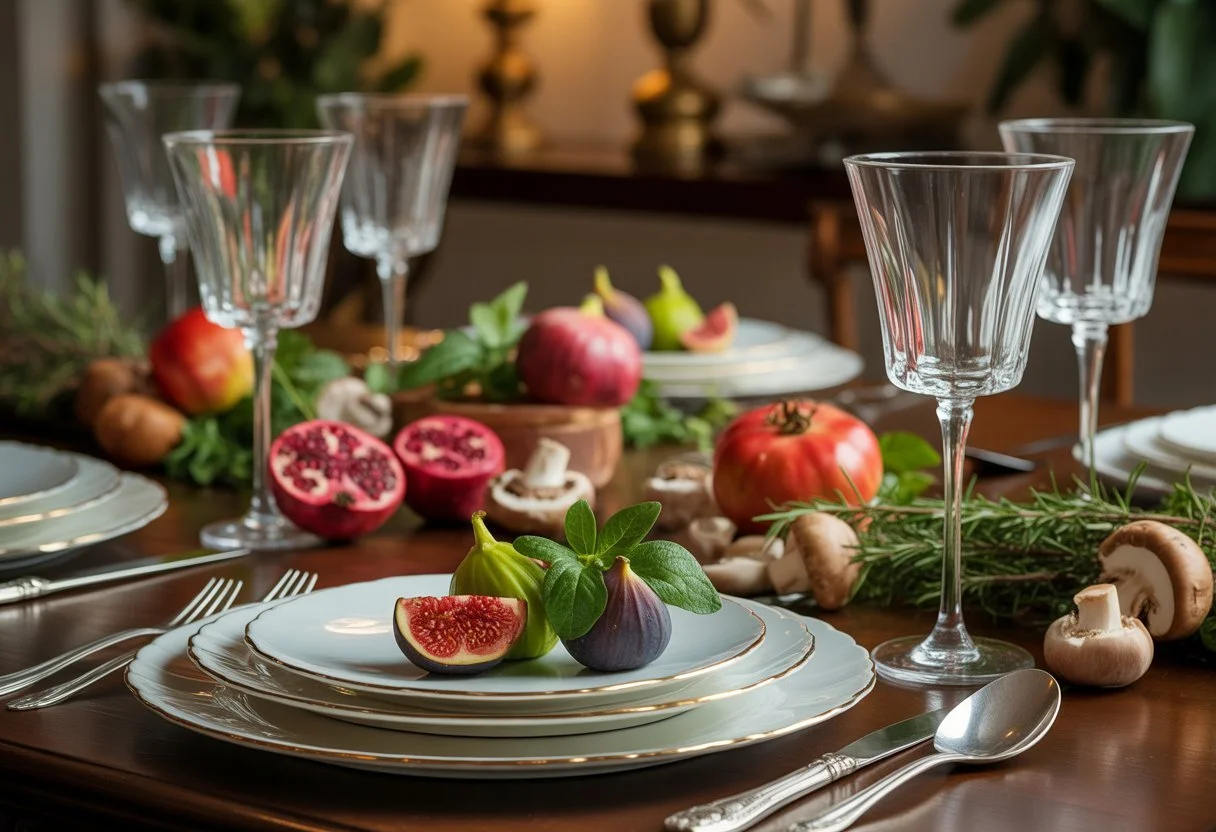
Seasonal menus elevate private dining through enhanced flavours, strategic planning techniques, and personalised experiences that connect guests with the freshest ingredients available. Private chefs who embrace seasonal cooking create memorable events that reflect nature's rhythm whilst supporting local food systems.
Benefits of Seasonal Menus for Extraordinary Experiences
Seasonal ingredients deliver superior taste because produce reaches its natural peak flavour when harvested at the right time. Tomatoes in summer taste completely different from those available in winter. This fundamental difference makes every dish more vibrant and satisfying.
Key advantages include:
Enhanced nutritional value - Seasonal produce contains higher vitamin and mineral content
Better value - Abundant ingredients cost less during their natural growing period
Environmental benefits - Reduced transport distances lower carbon emissions
Support for local producers - Money stays within the regional farming community
Private dining guests notice these differences immediately. A spring menu featuring fresh asparagus or peas creates excitement that imported alternatives cannot match. The dining experience becomes a celebration of the current season rather than a generic meal.
Each season offers distinct characteristics that shape the atmosphere of an event. Autumn menus bring comfort through root vegetables and game, whilst summer celebrations benefit from light salads and stone fruits.
Seasonal Cooking Techniques and Menu Planning
Private chefs adapt their techniques to match seasonal ingredients. Spring vegetables require gentle cooking to preserve their delicate flavours, whilst winter roots benefit from roasting to develop depth and sweetness.
Menu planning begins with identifying what grows locally during the event date. Chefs build dishes around these core ingredients rather than forcing a predetermined menu. This flexibility ensures optimal freshness and allows for last-minute adjustments based on market availability.
Effective planning strategies:
Visit farmers' markets weekly to understand current availability
Establish relationships with local suppliers for priority access
Design menus with built-in alternatives for unpredictable harvests
Balance familiar dishes with seasonal specialities
The process requires more creativity than standard menu planning. Chefs must know multiple preparation methods for single ingredients and understand which flavours complement seasonal produce best.
Customising the Seasonal Menu for Unique Events
Seasonal menus offer natural themes that align with event timing. A harvest celebration in October naturally incorporates squash, apples, and warming spices. Spring weddings benefit from delicate herbs, early vegetables, and lighter preparations.
Customisation extends beyond ingredient selection. Private chefs adjust portion sizes, presentation styles, and serving temperatures to suit each event's format. Garden parties demand different approaches than formal dining experiences.
Guest preferences remain paramount. Dietary requirements work within seasonal frameworks through careful substitutions. A dairy-free autumn menu might feature coconut cream instead of traditional cream whilst maintaining seasonal vegetable focus.
The menu becomes a conversation piece when guests recognise local ingredients. Chefs often include menu cards explaining ingredient sources and seasonal significance, adding an educational element to the dining experience.
Top 5 Seasonal Ingredients That Make Private Dining Extraordinary
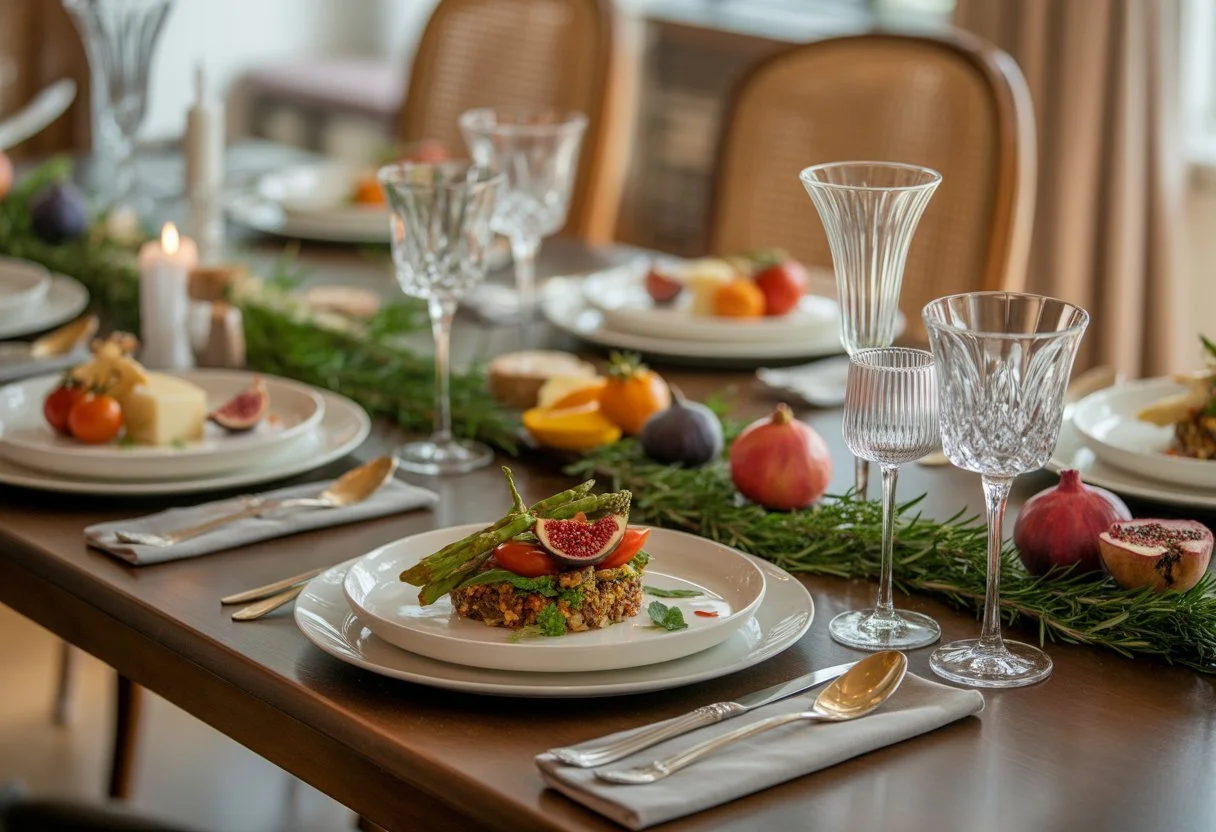
The finest private dining experiences rely on ingredients harvested at their peak freshness. Root vegetables anchor winter menus with earthy depth, whilst spring asparagus and summer strawberries bring bright flavours that guests remember long after the meal ends.
Root Vegetables
Root vegetables transform private dining menus during autumn and winter months. These ingredients include carrots, parsnips, beetroot, celeriac, and potatoes. They grow underground and develop their best flavour after the first frost.
Potatoes offer remarkable versatility for private chefs. A single ingredient can become crispy roast potatoes, smooth purée, or golden fondant. Heritage varieties like Pink Fir Apple or Maris Piper each bring distinct textures and tastes to the plate.
Beetroot adds vibrant colour to winter menus. Chefs can roast it whole, pickle it for salads, or purée it into stunning sauces. The earthy sweetness pairs particularly well with goat cheese and walnuts.
Common root vegetables and their peak seasons:
Carrots: October to March
Parsnips: October to February
Beetroot: July to February
Celeriac: October to April
Potatoes: September to May
These vegetables store well and maintain their nutritional value throughout winter. They cost less during peak season and support local farmers who harvest them fresh from British soil.
Asparagus
British asparagus arrives in late April and disappears by mid-June. This short season makes it a prized ingredient for spring private dining events. The tender spears require minimal preparation to showcase their delicate flavour.
Fresh asparagus needs only simple cooking methods. Chefs can grill, steam, or roast the spears in minutes. Overcooking turns them mushy and destroys their natural sweetness.
The vegetable pairs beautifully with hollandaise sauce, poached eggs, and shaved Parmesan. Private chefs often serve it as a starter to celebrate the arrival of spring. White asparagus offers a milder taste than green varieties and requires careful peeling before cooking.
Local asparagus tastes markedly better than imported alternatives. British growers harvest it fresh each morning during the brief season. This freshness makes it worth the higher price and limited availability.
Strawberries
British strawberries reach their peak from May through September. These berries contain more flavour and sweetness than winter imports. Private dining menus benefit from their versatility in both sweet and savoury dishes.
The fruit works equally well in desserts and main courses. Chefs create strawberry tarts, pavlovas, and possets for pudding. Some pair them with balsamic vinegar and black pepper to accompany duck or venison.
Ways to use seasonal strawberries:
Fresh in summer salads with spinach and feta
Macerated with sugar and mint for Eton mess
Roasted to concentrate flavour for sauces
Puréed into coulis for plated desserts
Strawberries require gentle handling as they bruise easily. They taste best at room temperature rather than chilled. Local varieties like Cambridge Favourite and Elsanta offer consistent quality throughout the British summer season.
Mushrooms
Wild mushrooms flourish in British woodlands from September through November. Varieties like ceps, chanterelles, and field mushrooms add depth to autumn private dining menus. Each type brings distinct textures and earthy flavours.
Ceps (also called porcini) provide intense umami flavour. Chefs use them in risottos, pasta dishes, and rich sauces. Chanterelles have a delicate, slightly fruity taste that works well with chicken and fish.
Cultivated mushrooms remain available year-round. Chestnut, oyster, and shiitake varieties grow in controlled environments. They lack the complexity of wild mushrooms but still enhance countless dishes.
Proper preparation matters with all mushroom varieties. Chefs should brush them clean rather than washing them in water. High heat brings out their flavour and prevents them from becoming soggy. Butter, garlic, and fresh thyme complement their natural earthiness.
Apples
British apples arrive from August through to April depending on the variety. Heritage breeds like Cox's Orange Pippin and Bramley offer flavours that imported apples cannot match. Private chefs use them in both savoury courses and puddings.
Cooking apples like Bramleys break down when heated. They create smooth sauces for pork and make excellent crumbles and tarts. Eating apples hold their shape better and work well in salads or as roasted accompaniments.
The fruit pairs naturally with autumn game dishes. Chefs combine apples with pheasant, venison, and pork belly. They also work in celeriac and apple soup or caramelised as a garnish for cheese courses.
Different apple varieties suit different culinary purposes. Dessert apples add sweetness and crunch to salads. Sharp cooking apples need sugar but provide better structure in baked goods. Local orchards often supply private chefs with rare varieties that guests have never tasted before.
The Power of Fresh Herbs and Natural Sweeteners
Fresh herbs and natural sweeteners transform private dining from memorable to extraordinary through their vibrant flavours and aromatic qualities. These ingredients bring depth and complexity that processed alternatives simply cannot match.
Basil, Mint, and Sage in Contemporary Dishes
Basil delivers a sweet, peppery punch that elevates everything from heirloom tomato salads to creamy risottos. Chefs often tear fresh basil leaves at the last moment to preserve their essential oils and bright green colour. The herb pairs beautifully with stone fruits in summer desserts and adds unexpected freshness to cocktails.
Mint brings a cooling sensation that works in both savoury and sweet applications. It cuts through rich lamb dishes whilst adding brightness to pea purées and spring vegetables. Fresh mint leaves muddled into drinks or infused into sauces release menthol notes that cleanse the palate between courses.
Sage offers earthy, slightly peppery notes that complement autumn and winter menus. The herb crisps beautifully when fried in butter, creating a simple yet elegant garnish for pasta, gnocchi, or roasted squash. Its robust flavour stands up to hearty proteins whilst adding warmth to brown butter sauces.
Honouring Honey, Cinnamon, and Aromatic Accents
Honey provides natural sweetness with distinct flavour profiles depending on its floral source. Wildflower honey adds floral notes to vinaigrettes, whilst chestnut honey brings deeper, almost savoury qualities to glazes for duck or pork. Raw honey preserves beneficial enzymes and offers more complex taste than refined sugars.
Cinnamon contributes warm, woody spice that enhances both desserts and savoury dishes. Ground cinnamon adds depth to slow-cooked meats and winter vegetable preparations. Cinnamon sticks infused into syrups, mulled wines, or poaching liquids release their aromatic oils gradually, creating subtle background notes.
These natural sweeteners and warming spices allow chefs to layer flavours without overwhelming a dish. They provide balance and complexity whilst maintaining the integrity of seasonal ingredients.
Creating Extraordinary Menus Across the Seasons
Seasonal menus transform private dining by showcasing ingredients at their peak flavour and freshness. Each season brings distinct produce that shapes memorable dishes, from tender spring vegetables to hearty winter roots.
Spring Menu Inspirations
Spring brings tender young vegetables and delicate herbs that create light, vibrant dishes. Asparagus, broad beans, and peas arrive with exceptional sweetness during these months. Wild garlic adds a gentle punch to pasta dishes, risottos, and sauces.
English lamb reaches its prime in spring, offering succulent meat perfect for roasting. Jersey Royal potatoes provide a buttery texture that pairs beautifully with fish. Rhubarb transitions from forced to outdoor varieties, creating tart desserts and compotes.
Fresh herbs like mint, chervil, and sorrel brighten plates with their clean flavours. Watercress and rocket add peppery notes to salads. Sea trout and crab come into season, delivering sweet, delicate seafood options for elegant starters and main courses.
Summer Menu Favourites
Summer produces an abundance of colourful vegetables and sweet fruits. Tomatoes, courgettes, and peppers develop their fullest flavours under warm sunshine. English strawberries, raspberries, and cherries create stunning desserts.
Key summer ingredients include:
Heritage tomatoes in multiple varieties
Fresh peas and runner beans
Stone fruits like peaches and apricots
Edible flowers for garnish
Salads become centrepieces rather than side dishes during summer months. Grilled vegetables showcase charred sweetness. Fresh fish like sea bass and mackerel suit lighter preparations. Elderflower adds floral notes to drinks and desserts.
Outdoor dining becomes possible, allowing menus to feature cold soups, ceviche, and tartares. Herbs grow prolifically, with basil, tarragon, and dill enhancing summer dishes.
Autumn Menu Highlights
Autumn delivers rich, earthy ingredients that suit warming preparations. Game birds like pheasant, partridge, and grouse arrive at tables. Wild mushrooms including porcini, chanterelles, and girolles add depth to sauces and risottos.
Squashes and pumpkins provide sweet, creamy textures for soups and sides. Apples and pears reach peak ripeness, creating classic British puddings. Root vegetables begin their season, offering versatility in both rustic and refined dishes.
Autumn Proteins Autumn Produce Venison Beetroot Duck Celeriac Rabbit Plums Wild boar Blackberries
Chestnuts and walnuts add texture to both savoury and sweet courses. Brussels sprouts and cavolo nero provide robust greens. The transition from lighter summer fare to heartier dishes begins.
Winter Menu Comforts
Winter calls for slow-cooked dishes and warming flavours. Root vegetables like parsnips, carrots, and swede develop sweetness through cold weather. Brussels tops, kale, and leeks provide essential greenery.
Citrus fruits arrive from warmer climates, offering brightness to winter menus. Blood oranges, Seville oranges, and forced rhubarb add tartness. Oysters reach their best quality during months with an 'r' in their name.
Beef, lamb, and pork suit long braises and roasts that fill homes with comforting aromas. Jerusalem artichokes and salsify offer unique textures. Cabbage varieties from Savoy to red create colourful sides.
Winter preserves like chutneys and pickles complement rich meats. Dried fruits and warming spices elevate desserts. Game season continues with wood pigeon and mallard providing elegant protein options for special occasions.
Frequently Asked Questions
Seasonal ingredients transform private dining through enhanced flavours, better nutrition, and creative menu possibilities. Understanding how to select and use these ingredients helps hosts create memorable culinary experiences.
What are the best seasonal ingredients to elevate a private dining experience?
Spring offers tender asparagus, peas, and lamb that bring fresh, delicate flavours to the table. Summer provides ripe tomatoes, berries, and stone fruits that add vibrant colours and sweet notes. Autumn introduces game meats, wild mushrooms, and root vegetables that create rich, earthy dishes.
Winter delivers seafood like scallops and oysters alongside hearty vegetables such as celeriac and Brussels sprouts. British cheeses reach peak maturity during specific seasons, adding depth to cheese courses. Fresh herbs like wild garlic in spring and sage in autumn provide aromatic elements that complement main ingredients.
How can the use of seasonal produce impact the flavour profile of a dish?
Seasonal produce contains higher concentrations of natural sugars and oils because it ripens at the proper time. This results in more intense, authentic flavours compared to ingredients grown out of season. A summer tomato bursts with sweetness and acidity that winter varieties simply cannot match.
Vegetables harvested at their peak require less manipulation during cooking. Their natural flavours shine through with minimal seasoning or preparation. Chefs can build simpler dishes that highlight the ingredient rather than masking poor quality with heavy sauces.
Could you suggest innovative ways to incorporate seasonal produce into a private event menu?
Interactive elements like a summer fruit trolley allow guests to select their own berries and stone fruits for dessert. Autumn menus can feature a wild mushroom foraging station where chefs prepare different varieties to order. Spring menus benefit from live herb gardens placed on tables for guests to snip fresh garnishes.
Seasonal tasting flights showcase the same ingredient prepared multiple ways. Three preparations of asparagus or beetroot demonstrate versatility whilst maintaining focus on the star produce. Winter menus can include tableside finishing with seasonal truffles or aged cheeses.
What are the benefits of choosing seasonal ingredients for health and nutrition in private dining?
Seasonal produce travels shorter distances from farm to table, preserving more vitamins and minerals. Nutrients begin degrading the moment vegetables are harvested, so fresher ingredients provide better nutritional value. Winter squashes contain higher levels of beta-carotene when harvested in autumn rather than imported during summer.
Eating seasonally encourages variety throughout the year as different ingredients rotate through menus. This diversity ensures guests receive a broader range of nutrients and antioxidants. Seasonal ingredients also contain fewer preservatives because they do not require extended storage or long-distance transport.
How often do the recommended seasonal ingredients for gourmet meals change throughout the year?
British seasons typically divide into four distinct periods, each lasting approximately three months. However, transition periods between seasons offer overlapping ingredients that create menu flexibility. Late spring vegetables might remain available into early summer, allowing chefs to bridge seasonal changes.
Micro-seasons within these broader periods affect ingredient availability. Early asparagus differs from late-season spears in flavour and texture. Some ingredients like game have specific legal seasons that dictate exactly when they can be served, whilst others follow natural growing cycles.
What criteria determine the selection of top seasonal ingredients for exclusive dining affairs?
Peak flavour occurs when ingredients reach full maturity in their natural growing season. Chefs assess this through taste tests and visual inspection for colour, firmness, and aroma. Local provenance matters because shorter supply chains mean fresher produce arrives at the kitchen.
Rarity and exclusivity factor into selection for high-end private dining. Limited-availability items like wild sea bass or foraged ingredients create special moments that cannot be replicated year-round. The ingredient's ability to anchor a dish whilst complementing other seasonal elements also influences selection.
Sustainability credentials and farming practices increasingly affect ingredient choices. Chefs prioritise suppliers who use responsible methods that protect the environment and animal welfare. The ingredient's versatility across multiple courses allows for cohesive seasonal menus rather than disjointed dishes.
Elevate Your Dining to the Next Level
Contact Blas Dining today.