The Ultimate Guide to Creating an Unforgettable Wedding Breakfast Menu: Expert Tips for Perfect Cuisine Planning
The wedding breakfast is one of the most important parts of your wedding day. It gives you and your guests time to relax, enjoy good food, and celebrate together after the ceremony. Getting the menu right can make a real difference to how much everyone enjoys the day.
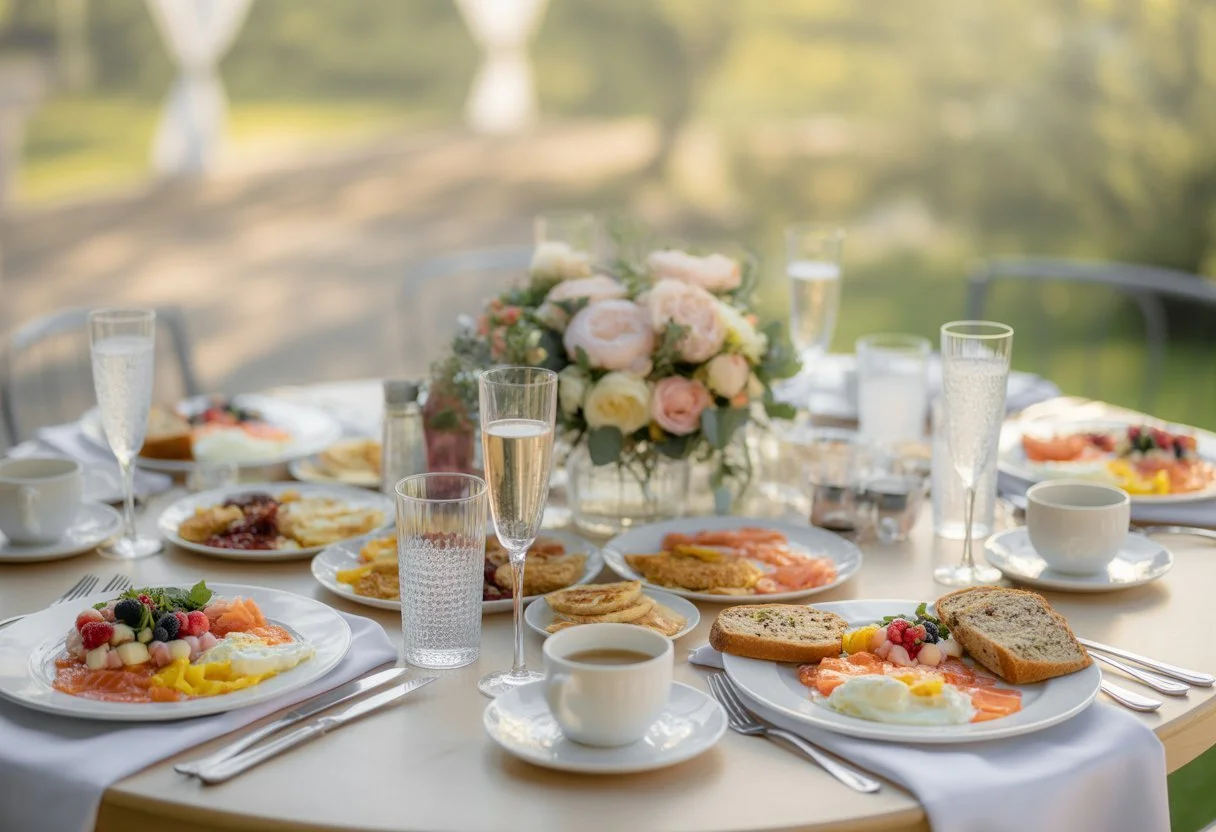
A well-planned wedding breakfast menu should reflect your personal taste whilst catering to your guests' needs and dietary requirements. You need to think about the style of service, the type of dishes you want to offer, and how the meal fits with the overall feel of your wedding. From choosing between a formal sit-down dinner or a relaxed buffet to picking appetisers and desserts, each decision shapes the dining experience.
This guide covers everything you need to know about creating a wedding breakfast menu that works for you and your guests. You will learn how to choose the right service style, select dishes that please different tastes, and make sure the meal runs smoothly on your big day.
Understanding the Importance of the Wedding Breakfast
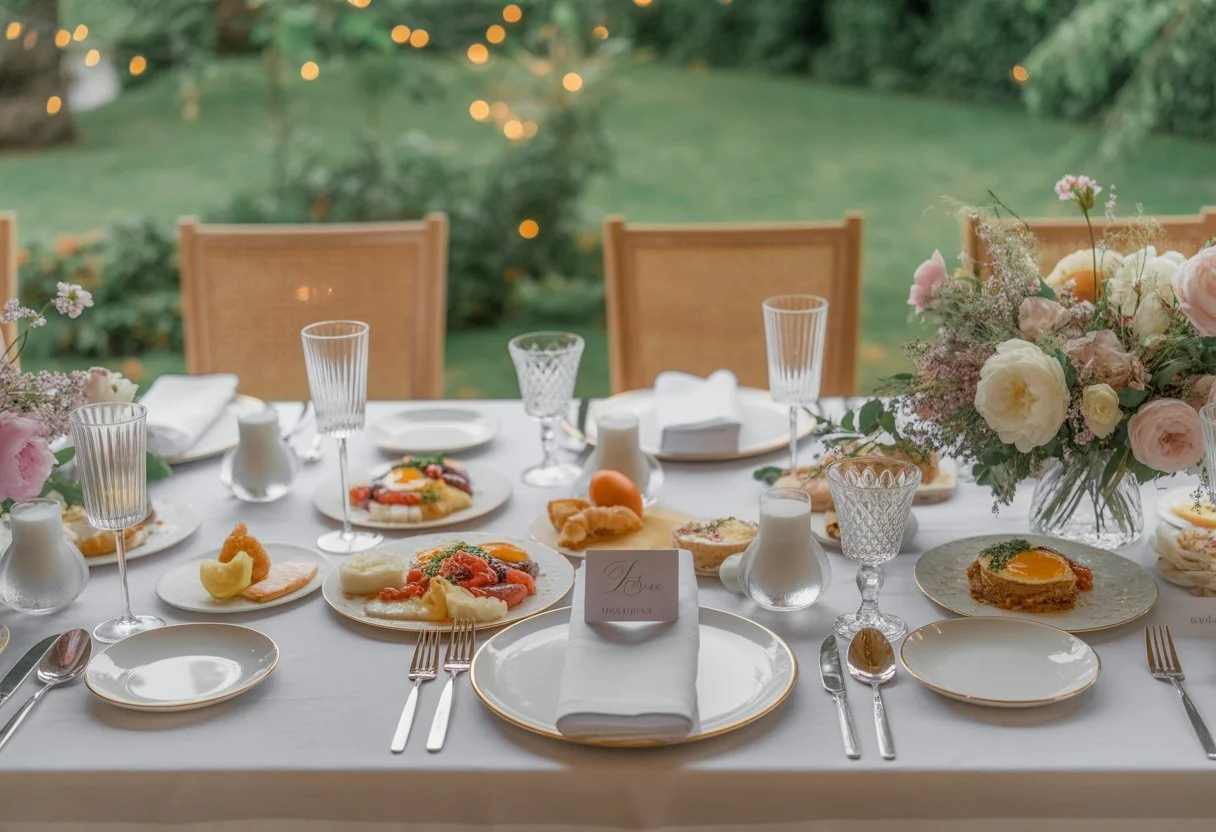
The wedding breakfast serves as a pivotal moment in your celebration, bringing guests together after the ceremony to share a meal and begin the reception festivities. This meal sets the tone for the rest of your wedding day and creates opportunities for connection among your wedding party and guests.
What Is a Wedding Breakfast?
A wedding breakfast is the first formal meal served to guests after the wedding ceremony. The name can be misleading because this meal rarely happens at breakfast time.
The term dates back to when weddings traditionally took place in the morning after church services. Today, most couples marry in the afternoon or evening, but the name has stuck. This meal typically consists of a three-course dinner or buffet served to all attendees.
The wedding breakfast usually happens between the ceremony and the evening reception. It's when your closest family and friends sit down together for the first time as part of your married life.
Significance in the Wedding Day Timeline
The wedding breakfast marks the transition from the formal ceremony to the celebratory reception. This meal gives guests time to relax, mingle, and enjoy themselves after witnessing your vows.
Your guests have likely travelled to attend your wedding and haven't eaten for several hours. Providing a proper meal shows appreciation for their presence and keeps energy levels high throughout the day. The timing of this meal affects the entire flow of your wedding day schedule.
This portion of your celebration often includes speeches, toasts, and other key moments. The relaxed atmosphere of a shared meal creates the perfect setting for these traditions.
Creating Lasting Memories with Food
Food has a unique power to create connections and memorable experiences. The dishes you serve at your wedding breakfast become part of your guests' memories of your special day.
A well-planned menu sparks conversation among guests and reflects your personality as a couple. Whether you choose traditional roast dinners or something more adventurous, your food choices tell your story. Guests often remember exceptional meals or thoughtful touches years after attending a wedding.
The shared experience of dining together brings your wedding party and guests closer. Tables of people who may not know each other bond over good food. These moments of connection make your memorable wedding breakfast more than just a meal—they transform it into a celebration that resonates with everyone present.
Key Considerations for Crafting Your Wedding Breakfast Menu
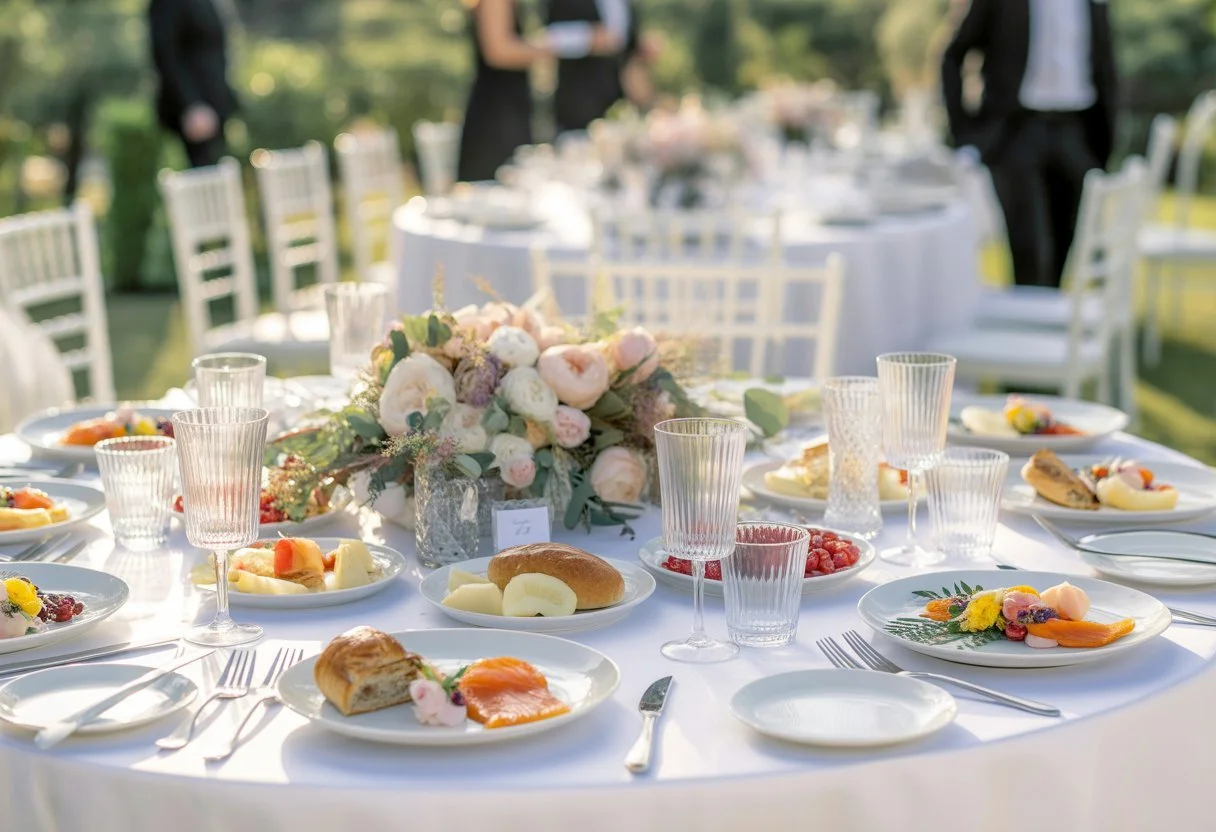
Your wedding breakfast menu needs careful planning to create a memorable dining experience. The right choices will reflect who you are as a couple while ensuring every guest enjoys their meal.
Reflecting Personal Taste and Style
Your wedding menu should tell your story as a couple. Choose dishes that hold special meaning to you both, whether that's a meal from your first date or a favourite family recipe passed down through generations.
Think about the overall style of your wedding when selecting your menu. A formal black-tie event calls for elegant plated courses, whilst a relaxed outdoor celebration might work better with sharing platters or food stations. Your catering choices should match the atmosphere you want to create.
Don't feel pressured to serve traditional wedding fare if it doesn't suit you. Modern couples increasingly choose bold flavours and unique presentations that showcase their personality. You might include dishes from your cultural background or feature cuisine from places you've travelled together.
Catering to Dietary Preferences and Restrictions
Dietary considerations are essential when planning your wedding breakfast menu. Ask guests about dietary requirements when they RSVP so you can plan accordingly.
Common dietary needs include:
Vegetarian and vegan options
Gluten-free meals
Dairy-free alternatives
Nut allergies
Halal or kosher requirements
Pescatarian preferences
Work closely with your caterer to create alternatives that feel special rather than afterthoughts. Vegan and vegetarian dishes should be just as appealing and well-presented as meat options. Your caterer should know how to prepare meals that accommodate multiple restrictions without compromising on taste.
Label buffet items clearly if you're offering self-service options. This helps guests with dietary preferences make informed choices without needing to ask staff repeatedly.
Incorporating Seasonal and Local Ingredients
Seasonal ingredients deliver better flavour and value for your wedding breakfast menu. Summer weddings benefit from fresh berries, asparagus, and tomatoes, whilst autumn celebrations can showcase root vegetables, game, and hearty flavours.
Local sourcing supports nearby farms and reduces food miles. British produce offers excellent quality, from Scottish salmon to Welsh lamb to English strawberries. Your caterer can suggest which ingredients are at their peak during your wedding date.
Seasonal menus also tend to be more cost-effective since ingredients don't need to be imported. You'll get fresher food that tastes better and looks more vibrant on the plate. Ask your caterer about what's locally available during your wedding month to build a menu around the best ingredients.
Exploring Wedding Breakfast Service Styles
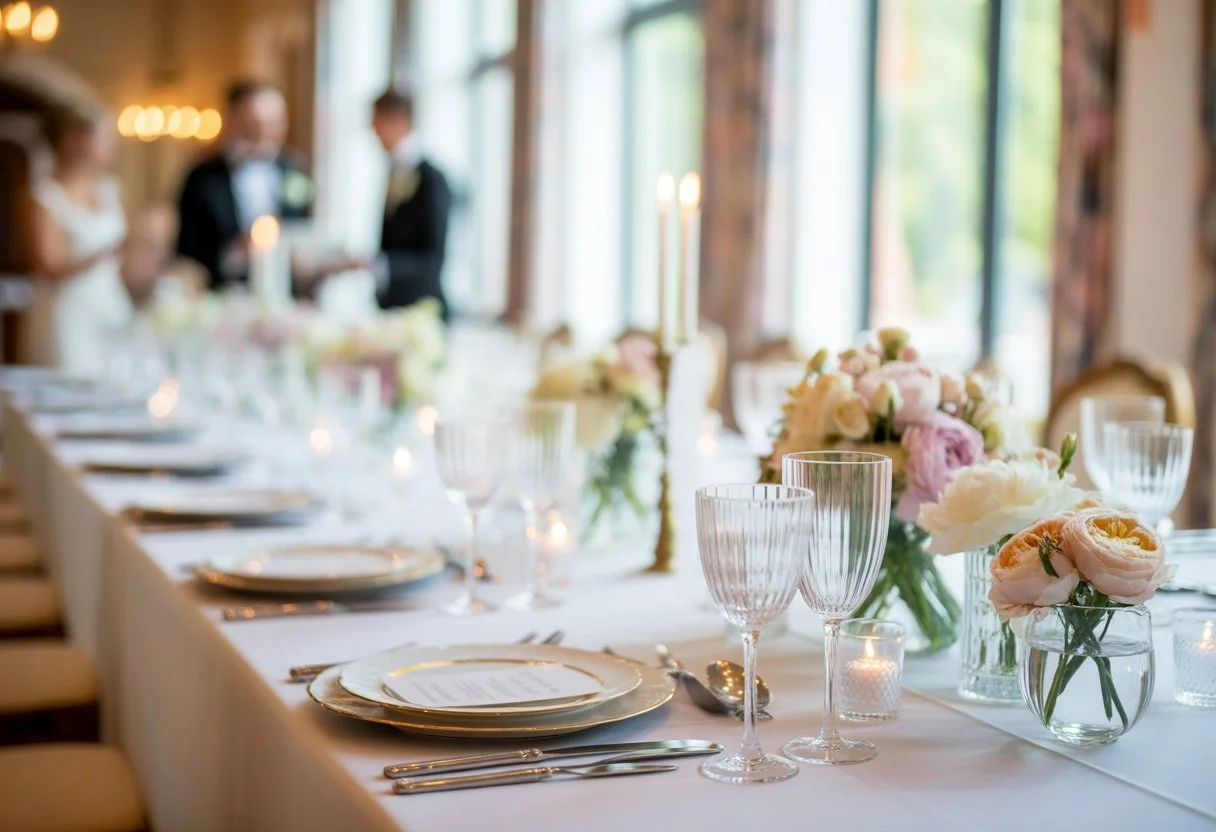
The way you serve your wedding breakfast impacts the atmosphere and flow of your celebration. Each service style offers different benefits for guest interaction, budget considerations, and the overall dining experience.
Traditional Sit-Down Meals
A plated sit-down meal delivers an elegant dining experience where guests remain seated whilst waitstaff serve each course directly to the table. This formal approach works well for sophisticated venues and allows you to control portion sizes and timing precisely.
You'll typically offer two to three menu choices for each course, which guests select in advance through RSVP cards. The service runs smoothly because your catering team knows exact numbers and preferences beforehand. This style suits weddings where you want a refined atmosphere and coordinated meal service.
The main advantage is the polished presentation and restaurant-quality experience. However, plated service usually costs more per head due to higher staffing requirements. You'll also need to collect menu selections weeks before the wedding, which requires extra planning and organisation.
Buffet Options and Food Stations
Buffet service and food stations let guests choose their own portions and combinations from displayed dishes. This flexible approach accommodates various dietary preferences and allows people to eat at their own pace.
Standard buffet lines work well for cost-conscious couples, whilst themed food stations create visual interest around the venue. Popular station options include carving stations with roasted meats, hog roast displays, pasta bars, or charcuterie spreads with cured meats and cheeses.
Food stations encourage guests to mingle and move around during the meal service. You can mix different cuisines or themes at separate stations, giving everyone something they'll enjoy. The informal nature suits relaxed celebrations and outdoor venues particularly well.
Interactive and Themed Concepts
Interactive dining concepts transform your wedding breakfast into an experience rather than just a meal. Live cooking stations, build-your-own food bars, and chef demonstrations add entertainment value to the dining portion of your day.
Consider tacos bars where guests customise their fillings, live pizza stations with made-to-order creations, or interactive dessert displays. These concepts work especially well for couples wanting a memorable, personalised touch that reflects their personality.
The interactive element keeps guests engaged and creates natural conversation starters between tables. Your catering team becomes part of the entertainment, preparing dishes in front of guests and answering questions about ingredients and preparation methods.
Curating the Ultimate Wedding Breakfast Menu
Building your wedding breakfast menu requires thoughtful selection across savoury dishes, lighter sweet options, and plant-based choices. Each category plays a vital role in ensuring your guests find something they genuinely enjoy.
Savoury Breakfast Dishes
Savoury options form the backbone of most wedding breakfast menus. Eggs prepared in various styles—scrambled, poached, or as part of an omelette station—give guests familiar comfort whilst allowing customisation. Pair them with crispy bacon and grilled mushrooms for a traditional approach.
Consider adding smoked salmon with cream cheese and capers for an elegant touch. This combination works particularly well for mid-morning receptions and appeals to guests seeking lighter protein options.
For more substantial fare, individual portions of sea bass with lemon butter or butternut squash wellington provide restaurant-quality sophistication. Wellington dishes also work brilliantly for guests who prefer heartier options without meat. Sautéed spinach and roasted beetroot make excellent accompaniments that add colour and nutritional balance to your plates.
Popular Savoury Combinations:
Scrambled eggs with smoked salmon and dill
Bacon rashers with grilled tomatoes and mushrooms
Mini wellingtons with seasonal vegetables
Sweet and Light Options
Sweet dishes balance your menu and cater to guests with different preferences. Pancakes served with fresh berries and maple syrup offer crowd-pleasing appeal. Stack them elegantly or serve as individual portions for easier service.
Waffles provide another versatile option. Top them with whipped cream, seasonal fruit compotes, or a dusting of icing sugar. French toast works beautifully when made with brioche or challah bread, creating a rich yet approachable dish.
Yoghurt parfaits layered with granola and honey give guests a lighter choice. These work particularly well for summer weddings and can be prepared ahead of time. Present them in glass jars or elegant bowls for visual appeal.
Vegetarian and Vegan Favourites
Plant-based options deserve equal attention in your menu planning. Butternut squash Wellington filled with chestnuts and herbs delivers impressive presentation and robust flavours. This dish satisfies both vegetarian and vegan guests when prepared without dairy.
Spinach and mushroom frittatas provide protein-rich alternatives that work at room temperature. Add crumbled feta for vegetarians or nutritional yeast for vegan versions. Beetroot and avocado toast on sourdough offers a modern, Instagram-worthy option that requires minimal preparation.
Ensure your vegan options aren't just modified versions of other dishes. Create dedicated plates with roasted vegetables, herb-infused grains, and plant-based proteins that stand alone as complete meals.
Appetisers, Desserts, and Beverages for a Memorable Experience
Your wedding breakfast needs carefully chosen appetisers, desserts, and drinks that complement each other and create lasting impressions. These elements set the tone for your celebration and keep guests satisfied throughout the event.
Delightful Canapés and Appetisers
Canapés serve as the perfect way to welcome guests and bridge the gap between ceremony and main meal. Choose three to five varieties that offer different flavours and textures.
Classic options include smoked salmon blini with crème fraîche, miniature beef wellingtons, and goats cheese tartlets. For lighter choices, consider cucumber rounds topped with cream cheese and fresh herbs, or prawn cocktail spoons.
Vegetarian canapés deserve equal attention. Bruschetta with heritage tomatoes, stuffed mushroom caps, and Mediterranean vegetable skewers work well alongside meat options.
Presentation matters as much as taste. Arrange canapés on tiered stands or elegant platters. Consider dietary requirements by clearly labelling each option or creating separate trays for vegetarian, vegan, and gluten-free selections.
Plan for six to eight pieces per guest during the drinks reception. Your catering team should circulate with fresh trays every 15 minutes to ensure everyone receives warm, perfectly presented appetisers.
Show-Stopping Desserts
Desserts add a sweet finale to your wedding breakfast and provide another opportunity to reflect your personal style. Traditional tiered wedding cakes remain popular, but modern couples often choose alternatives or combinations.
Consider a dessert table featuring multiple options. This approach satisfies different preferences and creates visual impact. Include a mix of textures and temperatures: rich chocolate torte, light lemon posset, fresh fruit tarts, and individual pavlovas.
Individual portions eliminate serving complications. Miniature desserts allow guests to sample multiple flavours without feeling overly full. Glass jars with layered mousse, small cheesecakes, or elegant profiteroles work beautifully.
Seasonal ingredients enhance both flavour and presentation. Summer weddings suit berry-based desserts and light sorbets. Autumn celebrations pair well with spiced apple tarts and caramel-based treats.
Signature Drinks and Pairings
Beverages should complement your menu whilst offering variety throughout the celebration. Create a drinks package that includes both alcoholic and non-alcoholic options.
Welcome cocktails set a festive mood. Classic mimosas made with fresh orange juice and quality champagne remain timeless. Alternatively, craft signature cocktails that reflect your personalities or wedding theme.
Wine pairings enhance each course. Crisp white wines suit lighter starters and fish dishes. Full-bodied reds complement beef and lamb. Offer a quality rosé for guests who prefer something between the two.
Non-alcoholic options deserve equal consideration. Fresh smoothies made with seasonal fruits provide refreshing alternatives to soft drinks. Elderflower cordial with sparkling water, virgin cocktails, and speciality teas cater to non-drinkers and designated drivers.
Stock your bar with these essentials:
Champagne or prosecco for toasts
Red and white wine selections
Beer and cider options
Spirits for cocktails
Fresh juices and mixers
Still and sparkling water
Calculate one drink per person per hour as a general guide. Your venue or caterer can adjust quantities based on your specific timeline and guest preferences.
Ensuring a Seamless Dining Experience on Your Big Day
Your wedding breakfast requires careful coordination between multiple elements to run smoothly. Success depends on clear communication with your catering team, thoughtful presentation choices, and flexibility to handle individual dietary needs.
Collaboration with Your Catering Team
Open communication with your catering staff starts months before your wedding day. Schedule regular meetings to discuss timing, menu adjustments, and logistical details. Your caterers need to know the exact number of guests, the venue layout, and your preferred service schedule.
Create a detailed timeline that includes when each course should be served. This helps your catering team coordinate with other wedding party activities like speeches and toasts.
Share your vision for the meal with your caterers. They can offer practical suggestions based on their experience with similar events. Ask about backup plans for common issues like delayed arrivals or last-minute guest count changes.
Provide your catering team with a clear floor plan showing table arrangements and service access points. This prevents confusion on the day and ensures efficient food delivery to all tables.
Presentation and Atmosphere
Your table settings should complement your wedding theme whilst remaining practical for service. Choose crockery and glassware that suits both your menu and the formality of your reception.
Lighting affects how food appears and how comfortable your guests feel. Warm, adjustable lighting works best for wedding breakfasts, creating an inviting ambience without overwhelming the space.
Table spacing matters for service efficiency. Your catering staff needs adequate room to move between tables without disrupting conversations or bumping into guests.
Consider the serving style that fits your venue and guest count. Plated service offers precision and timing control, whilst buffet or family-style service creates a more relaxed atmosphere.
Accommodating Special Requests
Collect dietary requirements at least six weeks before your wedding. This gives your catering team adequate time to plan alternative dishes without rushing.
Create a master list organised by table number showing which guests need specific accommodations. Include allergies, intolerances, and lifestyle choices like vegetarian or vegan diets.
Ensure your catering staff knows how to identify guests with special requirements. Use discreet place cards or a numbering system to prevent mix-ups during service.
Brief your wedding party about the process for handling dietary needs. They can help address any questions from guests and relay urgent information to the catering team if necessary.
Frequently Asked Questions
Planning your wedding breakfast menu involves balancing guest preferences, dietary needs, seasonal ingredients, and personal style while maintaining quality throughout service.
What are the essential elements to consider for a wedding breakfast menu?
Your menu needs to balance variety, quality, and practicality. Start with understanding your guest count, venue capabilities, and budget constraints.
Consider the timing of your meal and how long guests will wait between ceremony and food service. Hungry guests need substantial options, not just light bites.
Include a protein option, a vegetarian choice, and sides that complement your main dishes. Make sure your menu flows logically from starters through to dessert.
How can one cater to different dietary requirements in a wedding breakfast?
Collect dietary requirements through your RSVP cards or wedding website. This gives you accurate numbers for special meals needed.
Vegetarian and vegan options should be equally appealing as meat dishes, not afterthoughts. Work with your caterer to create plant-based meals that stand on their own merit.
Label dishes clearly at buffets to indicate common allergens like nuts, dairy, and gluten. For plated meals, ensure your catering team knows which guests receive which special meals.
What are the current trends in wedding breakfast cuisine?
Grazing tables and sharing platters have become popular alternatives to traditional three-course meals. These options encourage guests to mingle and try multiple dishes.
Locally sourced and seasonal ingredients are now standard expectations rather than special features. Couples want menus that reflect sustainable choices and support local producers.
Interactive food stations, like build-your-own options or live cooking demonstrations, add entertainment value to your meal. Global cuisine and fusion dishes are replacing traditional British wedding fare at many celebrations.
How does the time of year affect the choices for a wedding breakfast menu?
Winter weddings suit hearty, warming dishes like braised meats, root vegetables, and rich sauces. Comfort food feels appropriate when temperatures drop.
Spring calls for lighter proteins like lamb or fish paired with fresh greens and new season vegetables. Summer weddings work well with cold dishes, salads, and BBQ-style options.
Autumn menus can feature game, squash, and mushrooms that reflect the harvest season. Your caterer should adjust portion sizes based on temperature, as guests eat less in hot weather.
What are some unique ideas for personalising a wedding breakfast?
Include dishes that reflect your cultural backgrounds or the story of your relationship. A meal from your first date or your favourite restaurant creates meaningful connections.
Name dishes after significant places or people in your lives. Your grandmother's recipe or a dish from your honeymoon destination adds personal touches.
Create signature cocktails or mocktails that represent each of you. Food stations featuring your home regions or favourite cuisines let guests experience what matters to you.
How can you ensure the quality and presentation of the breakfast at a large wedding?
Choose dishes that hold well and don't deteriorate quickly when serving large numbers. Delicate foods that wilt or go cold quickly create problems.
Request a full tasting with your caterer several weeks before your wedding. This lets you adjust seasonings, portion sizes, and presentation details.
Ensure your venue has adequate kitchen facilities and your caterer has sufficient staff for your guest count. One server per 15-20 guests maintains good service levels for plated meals.
Elevate Your Dining to the Next Level
Contact Blas Dining today.