Autumn Menus Built Around Familiar Comfort Flavours
Autumn menus built around familiar comfort flavours bring warmth to the table without making every course taste the same. Start with seasonal produce and a clear flavour direction, then balance slow-cooked mains with fresh sides, thoughtful alternatives and a sweet finish.
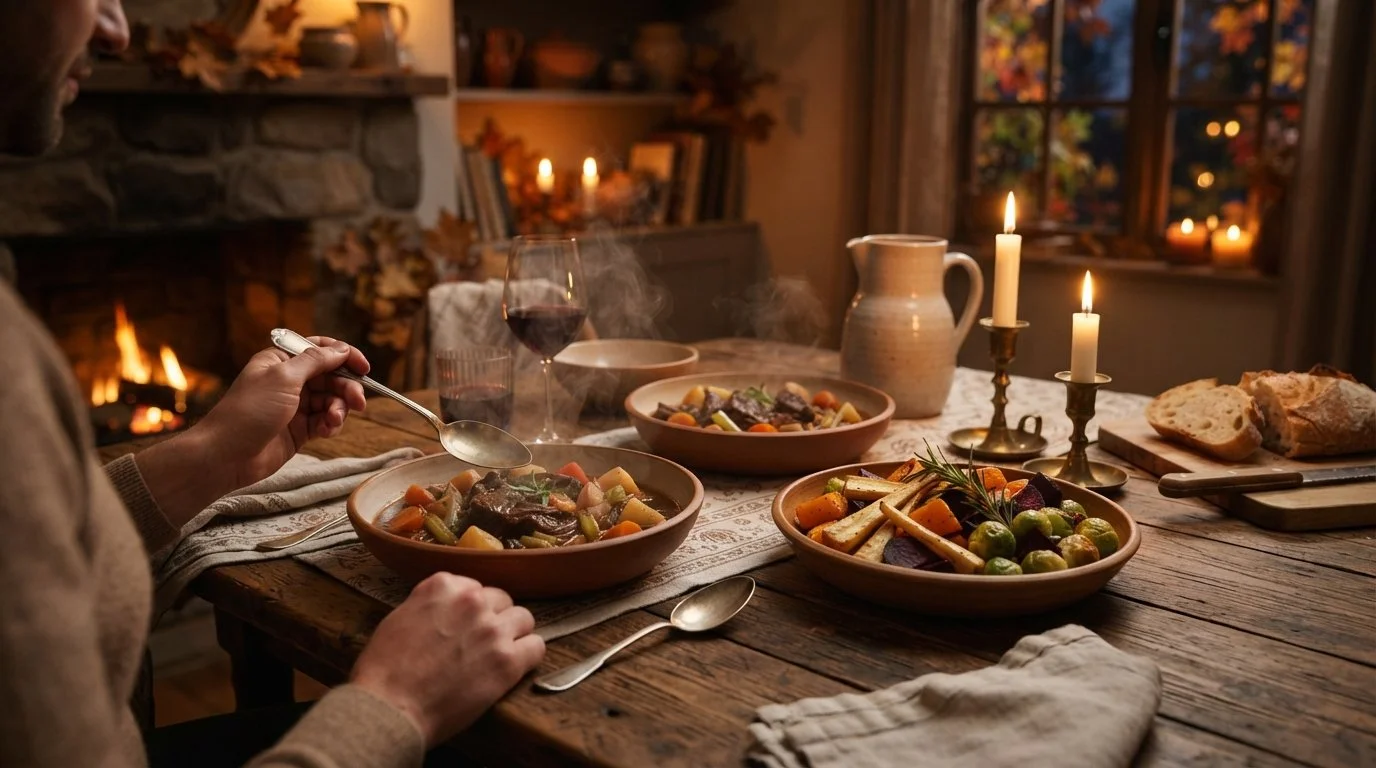
Key Takeaways
Choose a lead flavour. Mushrooms and thyme, apple and mustard, or squash and sage can set the mood while other courses provide contrast. Our guide to seasonal ingredients for autumn menus offers further inspiration.
Match the main to the evening. A braise suits a leisurely gathering; squash soup, a bean one-pot or a quick chilli can work on a busy weeknight.
Build a complete menu. Pair a warm main with something crisp or tangy, then choose a dessert that carries the seasonal mood without repeating every savoury flavour. Explore the principles behind planning a seasonal menu at home.
Make room for different diets. Lentils, beans and mushrooms bring substance to vegetarian dishes, while simple ingredient swaps can make familiar meals dairy-free or gluten-free.
Plan the cooking in sequence. Make-ahead soups and casserole fillings leave more time to finish quick sides close to serving. For a gathering, a considered, bespoke menu can help bring the courses together.
Start with a comfort flavour, not just pumpkin and cinnamon
A menu feels distinctly autumnal when its flavours are warm, savoury and grounded in the season. Pumpkin and cinnamon have their place, but mushrooms with thyme, apples with mustard, or squash with sage offer other familiar directions to explore.
Choose one of these as the menu’s lead, then let the other courses complement it rather than echo it. A mushroom-led main, for example, can sit comfortably beside a sharp apple salad and a pear pudding without asking every plate to repeat the same earthy notes.
Apples move easily between sweet and savoury cooking. Their brightness can cut through pork, sharp cheese or mustard, while their sweetness works naturally with oats and pastry in a pudding.
Build warmth in more ways than adding pumpkin: toasted spices, browned onions, herbs, stock and slow-cooked flavours all bring depth. When using squash, remember that roasting concentrates its sugars, so pair it with bitter leaves, sharp cheese or a splash of vinegar to keep the dish in balance.
Choose a warming main to suit the time you have
For a hands-off dinner, choose a casserole, stew or braise. Cooking tougher cuts slowly in a covered pot with moisture softens connective tissue and allows the flavours to mingle, but the dish needs enough time for the meat or pulses to become tender.
A quicker meal can still feel generous. Blended squash soup, a mushroom and bean one-pot, or chilli made with tinned beans can develop satisfying flavour over a shorter simmer, especially when the base begins with well-browned onions, herbs or spices.
A pot roast makes a natural centrepiece for a slower evening. Because it is already rich and substantial, serve it with a crisp or acidic side rather than surrounding it with several other heavy dishes.
For weeknight dinners, save effort where it makes sense: use prepared vegetables, tinned pulses or leftover roast meat. Choose a recipe whose active preparation fits the time available, not just one with a short cooking time.
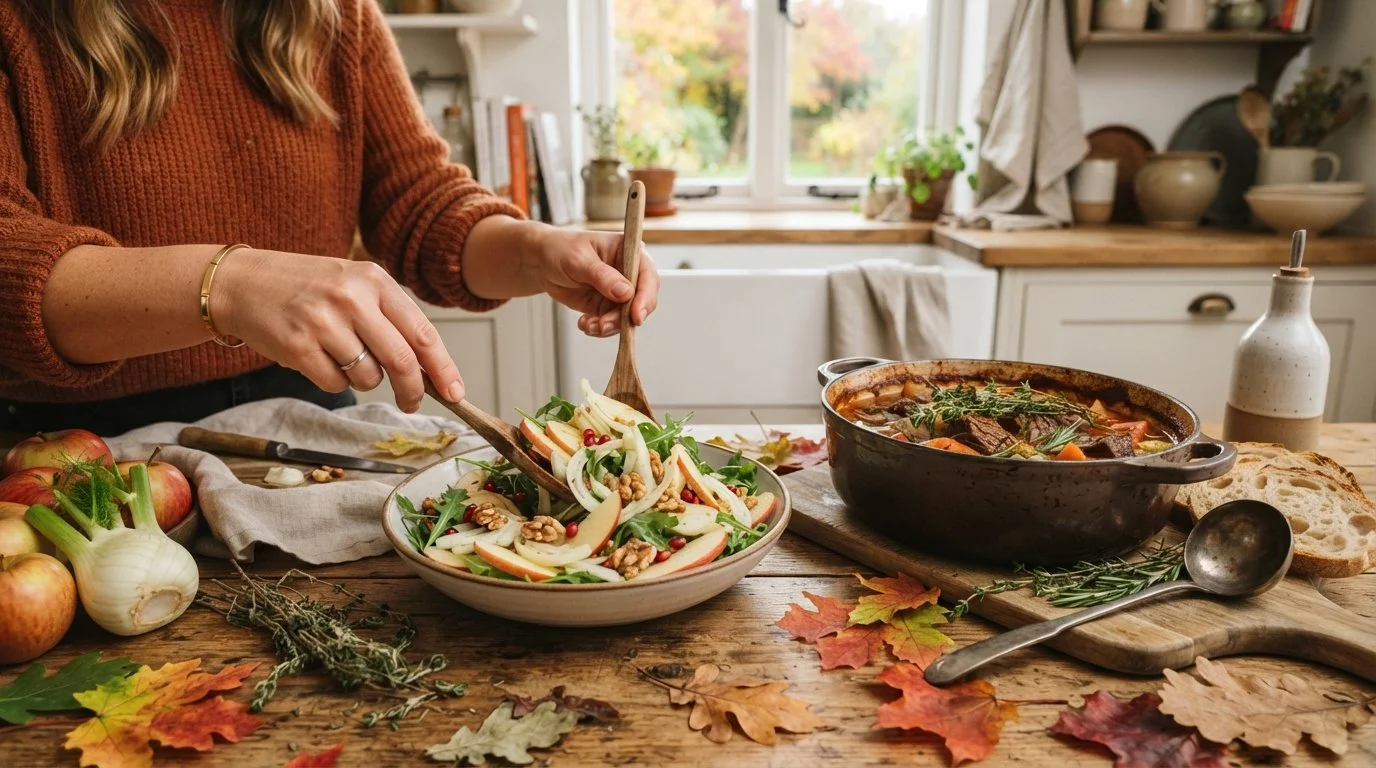
Use apples, squash and mushrooms in savoury dishes too
Roast squash in evenly sized pieces with a little oil, leaving space between them on the tray. Crowded pieces release steam instead of browning, while a well-spaced tray gives the squash colour and a firmer edge for salads, pasta or grain bowls.
Slice apples into pork dishes, root vegetables or cabbage, adding them late enough to retain some texture. Mustard or cider vinegar brings a savoury sharpness that balances their sweetness.
For mushrooms, brown them in a single layer before adding stock, wine or another liquid. This gives them a deeper, more savoury flavour for pies, sauces, risotto and vegetarian stews.
Pumpkin has a soft, mild texture that works well in soup, curry or pasta filling. Season it with herbs, chilli or cheese as the dish calls for, rather than relying on cinnamon alone.
Did You Know?
51% of shoppers say comfort flavors influence their purchase decisions.
Source: Mosaic Flavors
Pair mains, sides and something sweet into complete menus
A coordinated menu is more satisfying than a collection of unrelated dishes. Think about how the courses meet: a rich main benefits from freshness, and a seasonal dessert can finish the meal without repeating the strongest savoury flavour.
Family supper: Serve chicken or bean casserole with a bitter-leaf salad and crusty bread. The leaves and tangy dressing refresh the palate alongside the warm, rich main.
Meat-free gathering: Make mushroom and lentil pie the centrepiece, with roasted carrots and sharp apple slaw. An oat-topped fruit pudding completes the meal with familiar comfort.
Relaxed one-pot meal: Simmer squash, chickpeas and greens with warming spices, then serve with flatbread or rice. Citrus or poached fruit offers a lighter finish.
Dessert can belong to the same season without echoing every flavour on the savoury plates. Baked apples, pear crumble or ginger cake all follow a meal built around mushrooms or herbs with ease.

A bespoke autumn menu brings seasonal ingredients together with familiar comfort flavours. Guest preferences help shape the dishes.
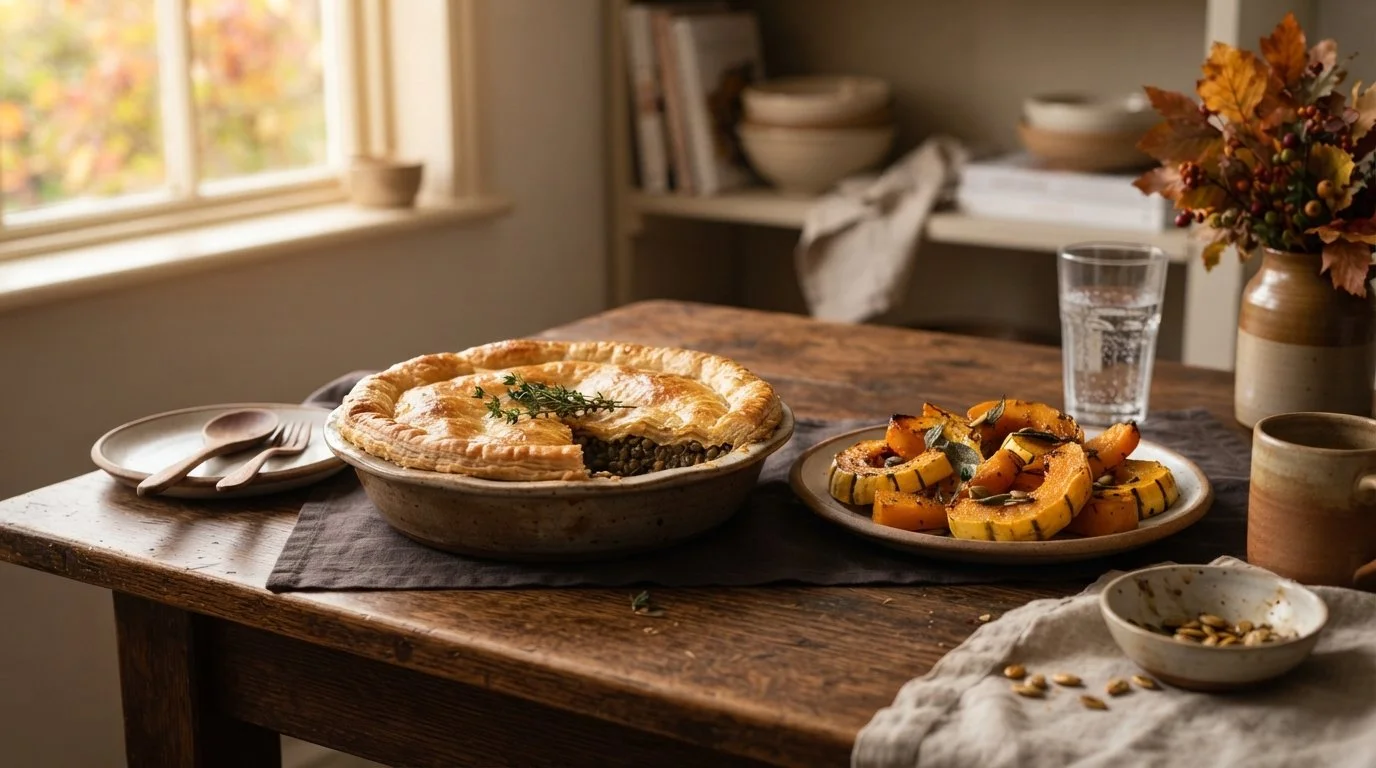
Make comforting dishes work for different diets
For a substantial vegetarian main, replace meat with lentils, beans or mushrooms. Pulses paired with grains, or served alongside bread, make a filling plate with the depth expected from a comforting autumn dinner.
For dairy-free soup and mash, use olive oil or a suitable unsweetened plant drink in place of butter or cream. Blended beans or roasted vegetables can add body and richness without relying on dairy.
For gluten-free casseroles and pies, thicken the sauce with cornflour or potato starch and use a gluten-free topping. You can also serve the filling with potatoes or rice for a straightforward alternative.
Where practical, serve bread or cheese separately so guests can shape their own plates. At Blas, dietary requirements are design parameters, considered from the beginning so they fit the menu with intention.
Balance hearty courses with fresh, lighter elements
Rich food needs contrast. A crisp salad, lightly dressed cabbage or quick-pickled onions beside a pie or braise add acidity and crunch, refreshing the palate between bites.
Choose one rich centrepiece instead of stacking a creamy soup, buttery side and heavy dessert in the same meal. A broth-based soup, roasted vegetables or grain salad can also serve as a lighter main; add beans, eggs or cheese when the table needs more substance.
Portion size matters, too. Serve hearty dishes in moderate amounts and let vegetables, salads and bread round out the meal rather than making every course dense.
Did You Know?
Apple butter is the top fall flavor, with 49% of consumers saying they’d be excited to see it on menus.
Source: Rubix Foods
Plan the cooking so dinner is ready together
Soups, stews and casserole fillings can often be cooked ahead and reheated gently before serving. Their flavours can settle overnight, freeing the final stretch of preparation for the dishes that are best freshly finished.
Prepare dressings, wash salad leaves and measure ingredients in advance, but dress the salad shortly before eating so it stays crisp. Roast or brown vegetables earlier if needed, then reheat them uncovered in a hot oven to restore some surface texture.
Work backwards from the time you plan to serve. Start slow-cooked mains first, reheat prepared dishes while a roast rests, and leave quick sides and garnishes until last.
For a private catered dinner party, thoughtful timing is as important as the menu itself. A Private Chef experience can be tailored to the occasion, with preparation, service and clearing away taken care of so the host becomes a guest at their own table.
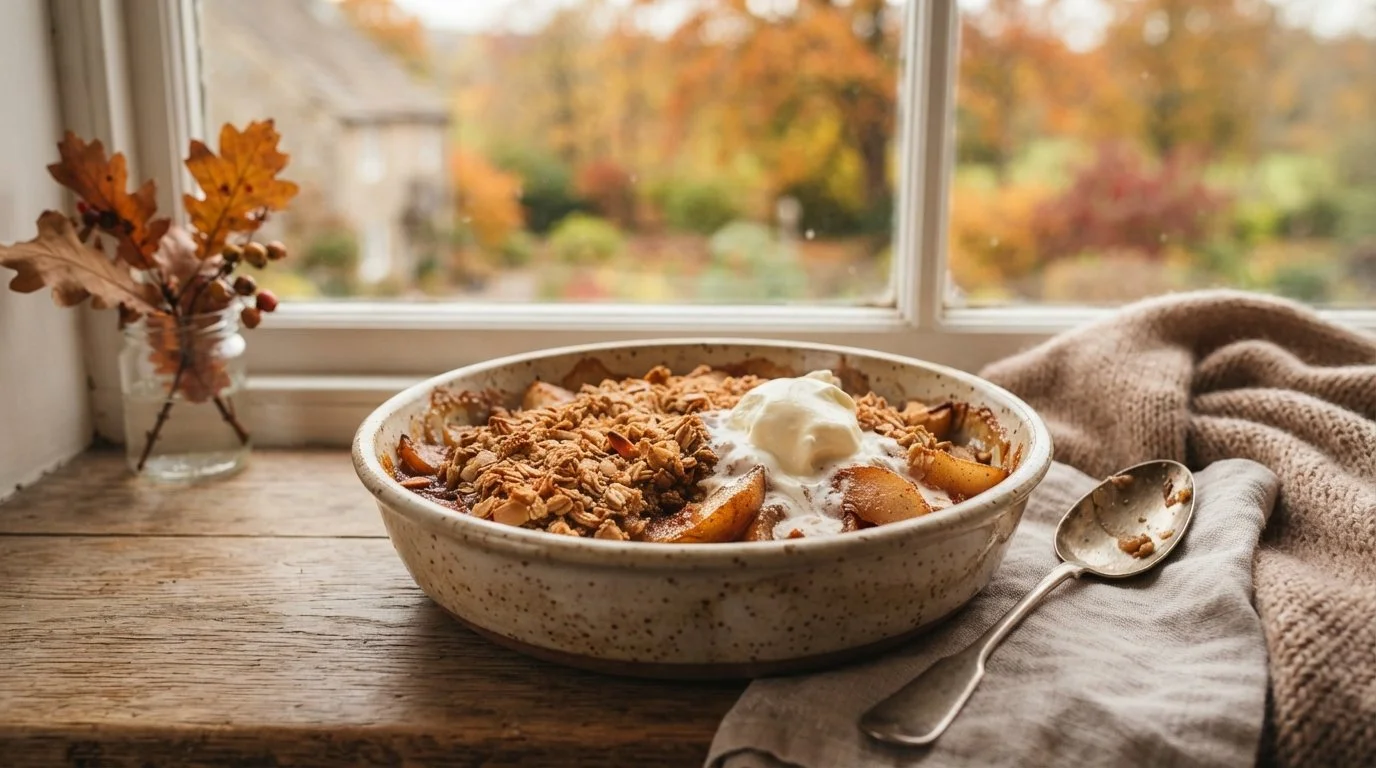
Warmth and Variety
The best autumn menus built around familiar comfort flavours have warmth and variety in equal measure. Choose a clear flavour direction, match the main to your time, and bring in sharp, fresh or crisp elements to give the meal balance.
With seasonal produce, thoughtful substitutions and a practical cooking plan, familiar autumn flavours can suit a quick supper, a family meal or a considered gathering. Every detail considered. Every course crafted.
Frequently Asked Questions
Which autumn herbs pair well with apples and squash?
Rosemary works particularly well with apple in savoury dishes, while chervil brings a gentler herbal note to fresh apple salads. For squash, try marjoram or oregano when you want a more savoury profile.
Can autumn soups and casseroles be frozen for later?
Most soups and casserole fillings freeze well when packed in meal-sized portions and cooled promptly before freezing. Cream-based soups can change texture after thawing, so stir them thoroughly as they reheat.
How should leftovers from an autumn dinner be stored?
Cool leftovers promptly, refrigerate them within two hours and aim to eat them within two days. Store sauces, salads and crisp toppings separately from the main dish to preserve their texture.
What can I serve instead of bread with a hearty stew?
Soft polenta, baked potatoes or dumplings all make satisfying partners for a stew. Rice is another simple choice when you want something that carries the cooking juices without adding another strong flavour.
How can I make an autumn menu child-friendly without cooking a separate meal?
Keep chilli heat and strongly flavoured condiments at the table, so each person can season their portion. Set aside a serving before adding those sharper ingredients, and offer a familiar accompaniment such as rice or roast potatoes.
Elevate Your Private Dining to the Next Level
Contact Blas Dining today.